Leg 3 Blog 17, July 23, 2025
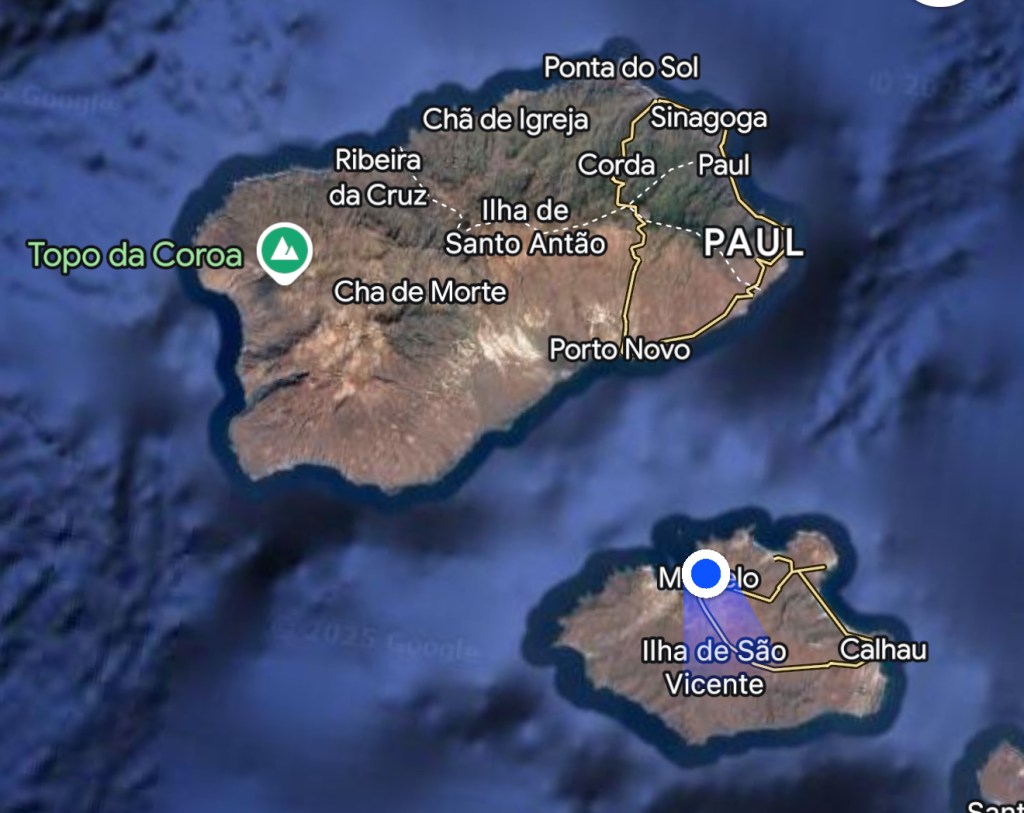
Randall and I have now settled into island life on São Vicente (the smaller of the two islands above). This was not on our planned itinerary, but it has now been more than one week since we made landfall. A week before our arrival (as we passed through the Canary Islands), we (Randall) decided that it would be safer, less stress etc., if we had a duplicate autopilot computer onboard for our upcoming 30 day crossing… just in case. (Randall had previously packed away a duplicate, but that part was already called into service in Madeira).
So we were now running leaning lean, so to speak, on autopilot computers. You all know how the parts God works. If you bring the extra part with you, you will never need it. If you do not bring it with you, well, you know what will (not) happen. Thinking he could fool the parts God (in charge of delivery), Randall calculated a two week lead time for his autopilot part from California to São Vicente, giving us plenty of time (as we still had almost one week to go until our arrival at São Vicente). In fairness, I had attempted to enlist my wife as a human delivery person, but she declined to take me up on my offer of island paradise (in retrospect a smart move).
But waiting for an obscure spare part on a remote island, as many of you most certainly understand, takes on a life of its own. Killing time/taking a break/relaxing/fixing up the boat/learning the culture are wonderful things to do if one is in the proper mindset. To be honest, I am perpetually in the “go-go-go” mode. Sail long and hard, arrive to the next stop smelly and exhausted, help (ok watch) Randall fix up Mōli, take a quick tour of the island, do our laundry, shop for provisions, get back on the boat, slip lines and off we go to our next adventure. So at first I was not prepared to wait for anything. Ours is a journey of movement, of going from one stop to the next as we circumnavigate the America’s. Maybe just enough time to squeeze in a quick tour. But we are here to cross latitudes and oceans, not to lay down our roots. So yes, I am somewhat embarrassed to say that switching into “island” mode does not come easily or naturally for me. I am not the type to wait around for Godot – but this time I did.
What follows is a log of activities undertaken as I/we waited for Godot (who for the record, has still not arrived).
First up we took a wonderful tour of São Vicente first day we arrived. I fhad heard that Cape Verde is very African culturally. But what I found is more of an African/Portuguese mix. Kind of a hybrid African/European vibe. While the primary language is Portuguese, the islanders claimed they were speaking creole to each other, which is kind of a slang, informal Portuguese.
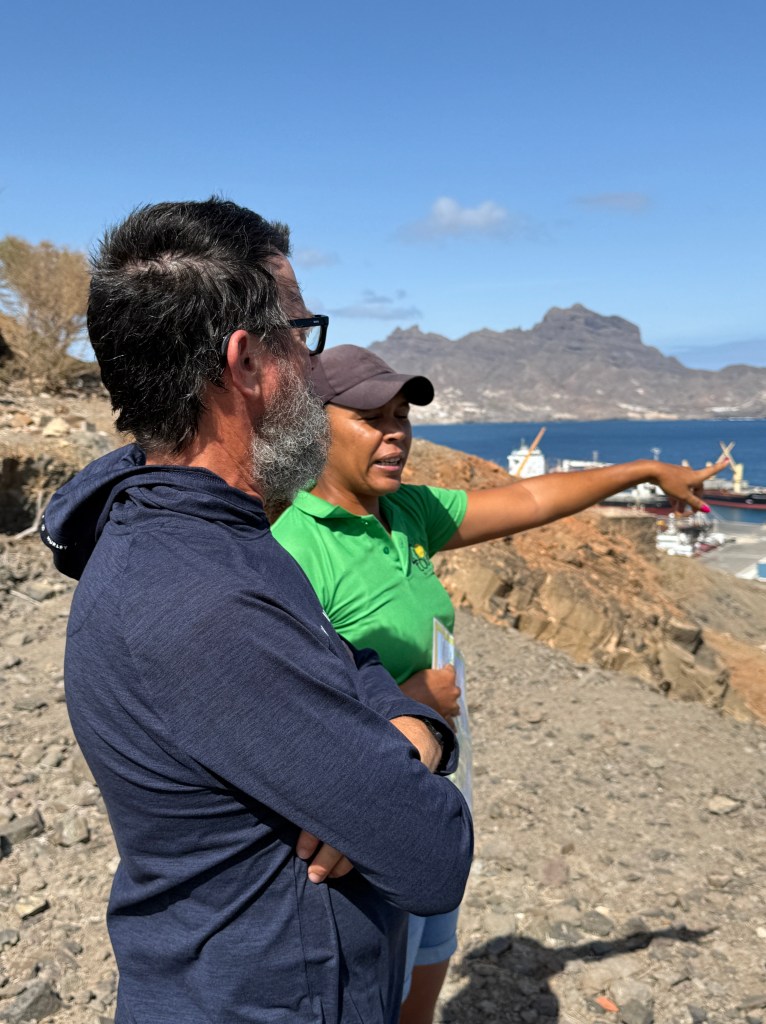
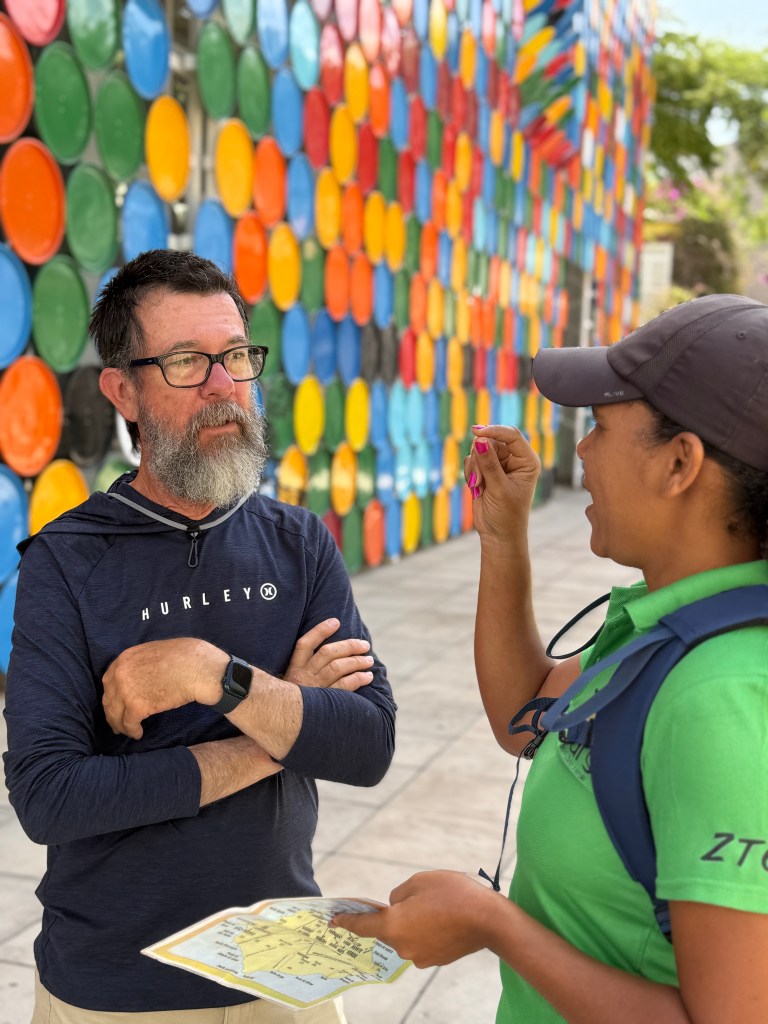
Above left is Valeria explaining how the Portuguese arrived in the late 1490’s. They were quite confused at the time because while São Vicente had the best (only) harbor of the island chain, there was no water here! Even today, all water for the island is made at the desalination plant.
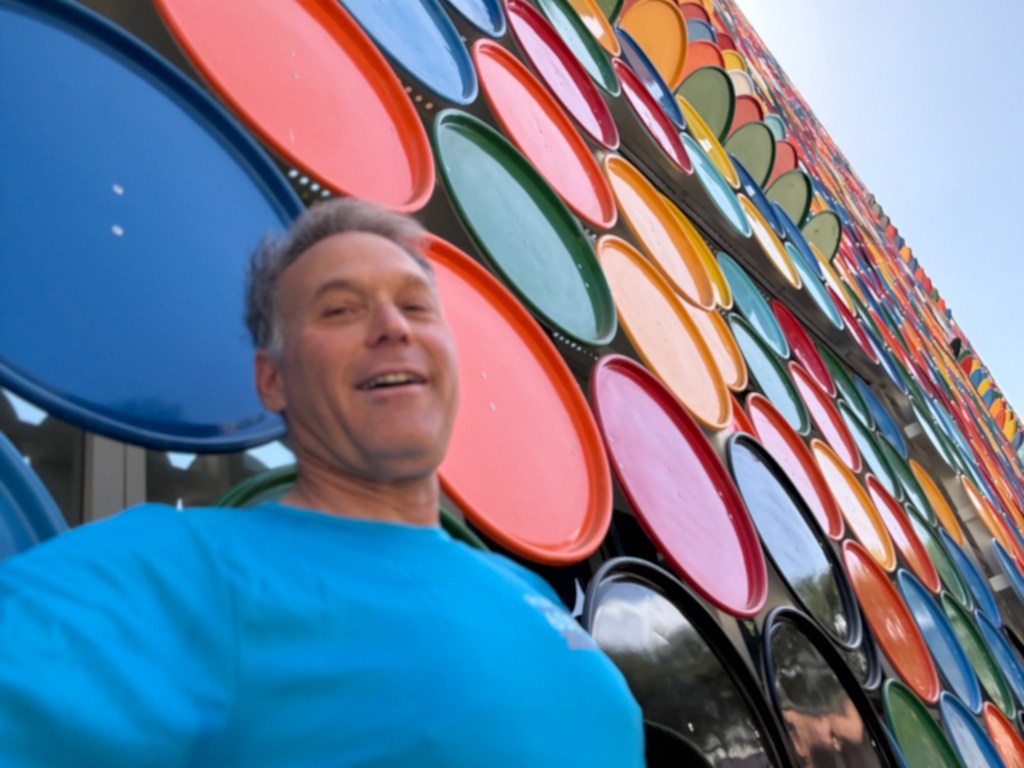
Above: The oil can tops are a symbol, as they are part of the costumes worn by the “Mandingas”, performers who during Carnival, dress as African warriors, drawing inspiration from the Mandinka people of West Africa (where much of the population was taken as slaves by the Portuguese). The oil can tops, along with other elements of their attire, help to connect the Carnaval celebrations to Cape Verde’s African roots and historical heritage.
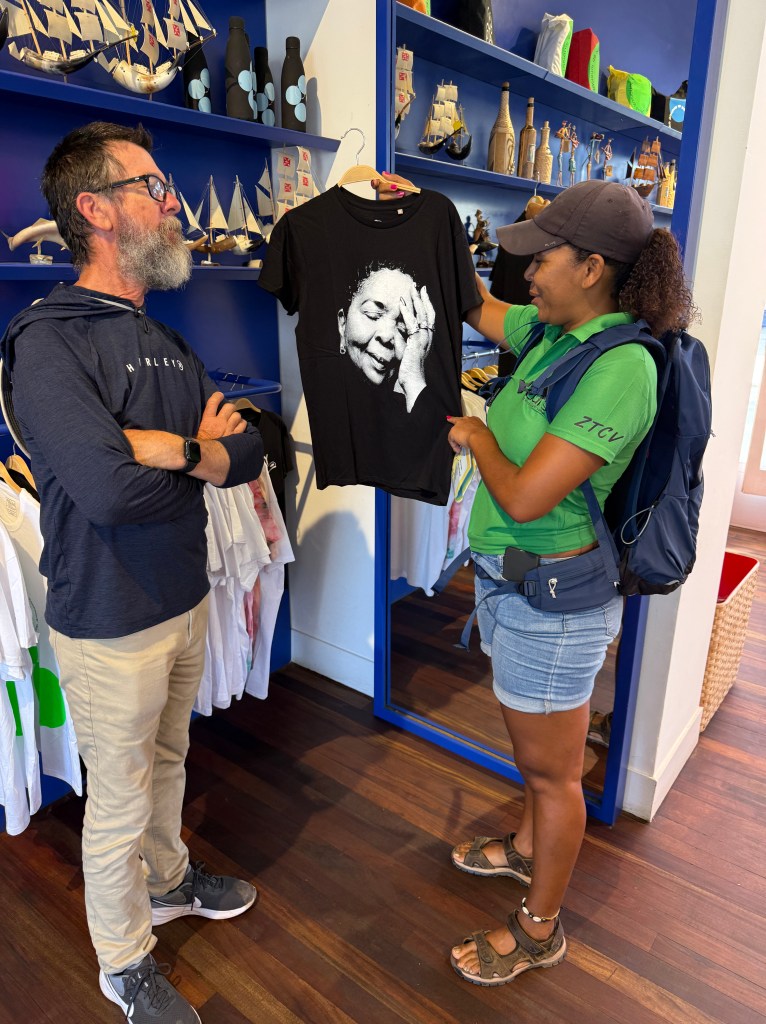
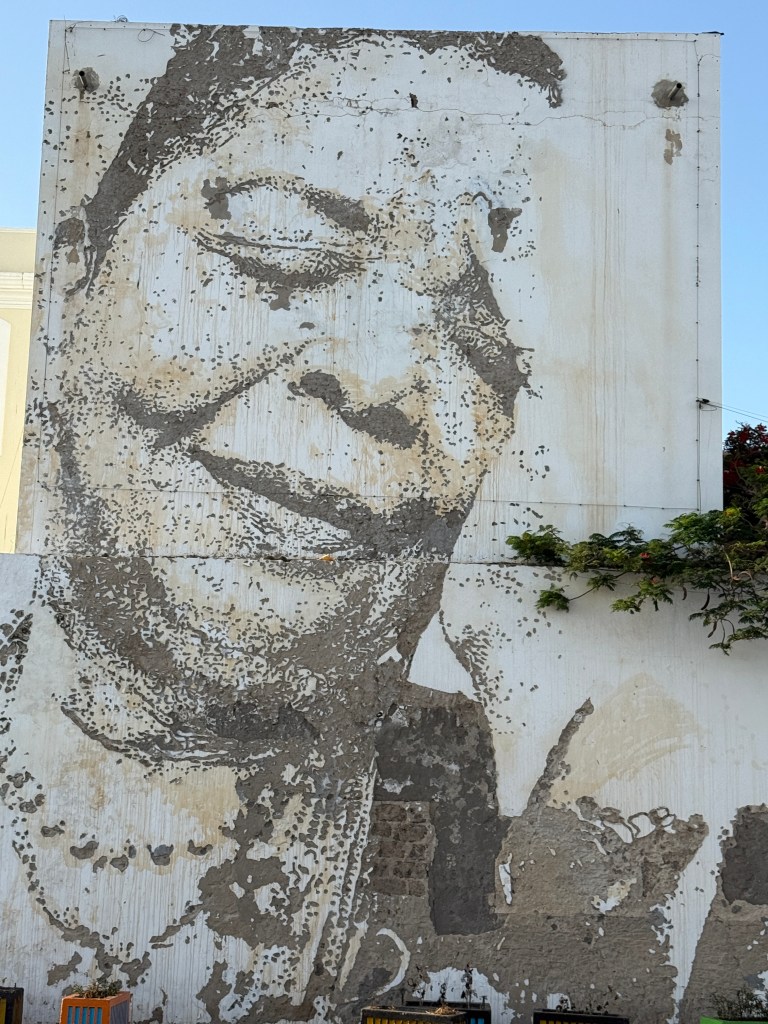
Above: Valeria is telling us about the most famous singer on Cape Verde, the legendary Cesaria Evora, the “barefoot” singer, whose deep resonating voice, singing in her native creole language still captivates the world long after her passing. Take a listen: https://youtu.be/ERYY8GJ-i0I?si=UuQ7s1PYabT1ZXlF
Above is a mini-biography.
Above is Randall learning how to play a version of the local game of Mancala. Mancala is also known as Bao la Kiswahili in most countries of East Africa (and is also found in Cambodia). It is played with 32 holes arranged in 4 rows and 64 seeds or stones. In Cape Verde, mancala is known as “ouril”, and is sometimes played on a smaller “board”.
Next stop is the local fish market ABOVE. A little more primitive than most, but reflective of the rich array of sea food available just off shore.
The market is well organized, so when you buy your fish, you then take it to the cleaning station. I was fascinated to watch these men, as they used a tuna can with many holes punched in to de-scale the fish.
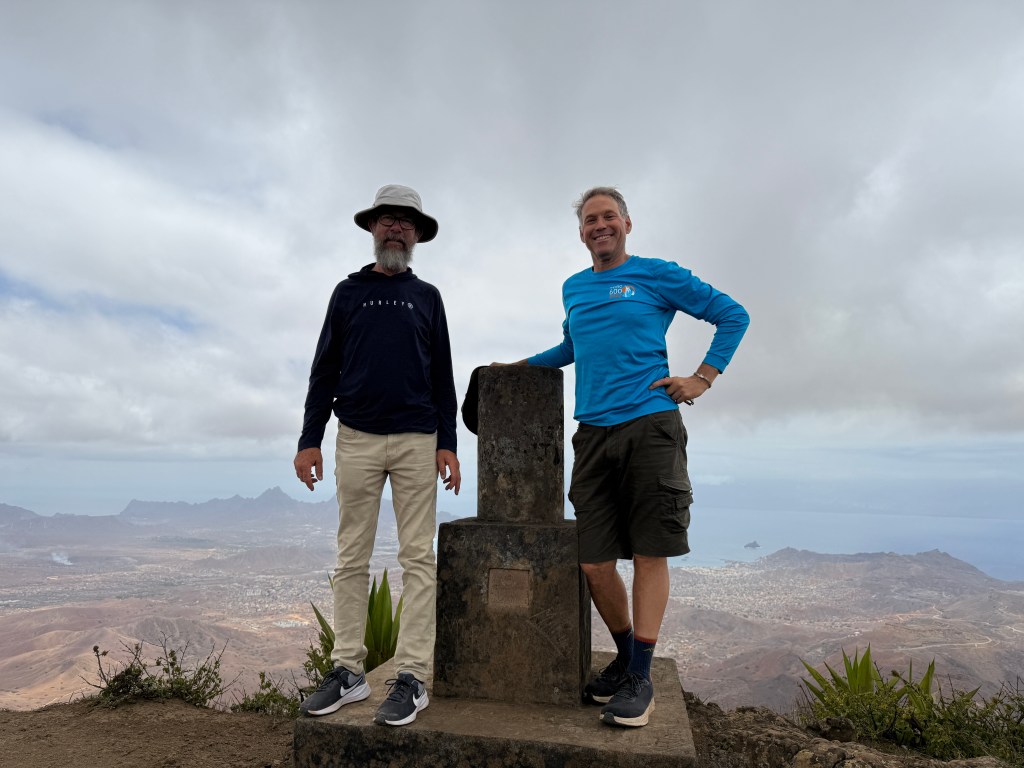
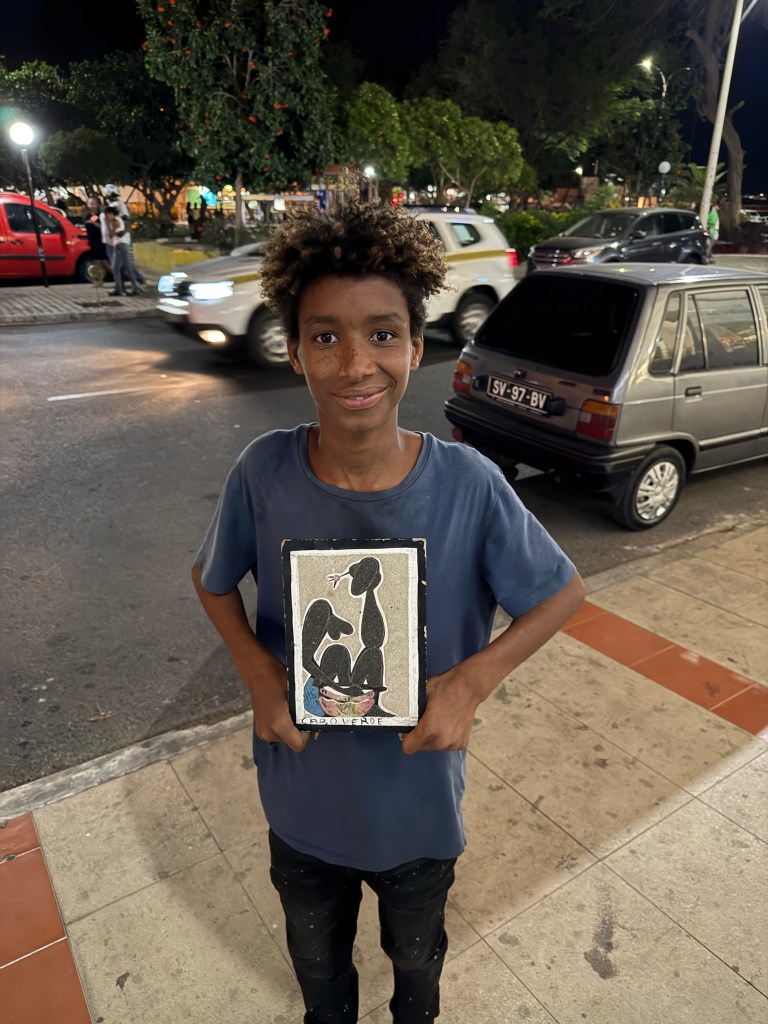

At night, we made “friends” with the local boys who do their best to earn a few cents of the local currency by selling you bracelets or “original” art. Upper Left is Wesley, and Upper Right is Bradley. Both boys, after I expressed that I did not need any bracelets simply said, “Ok, but then can I take you to the store so you can buy me some milk to take home”. Oy! Those poor boys… So of course I caved, and took them to the store separately, and bought them rice, oil, powdered milk, toothbrush and tooth paste, tuna, and a treat (juice and graham crackers). The next night I saw them again. With the small change I had given them, they bought a shirt and got a haircut. When they asked for more change that evening, I declined, and they, and their friends were not so happy with me. Especially the pregnant prostitute and the injured fisherman. Maybe next blog!
São Vicente is a lovely island and everything, but Valeria, our knowledgeable tour guide kept, pointing to the spectacular aspects of the bigger island just next to us called Santo Antão (pronounced Santoto). At some point Randall and I looked at each other and said, “We obviously came to the wrong island!”. Except that São Vicente is the only island in the chain with a marina – so what are you going do?
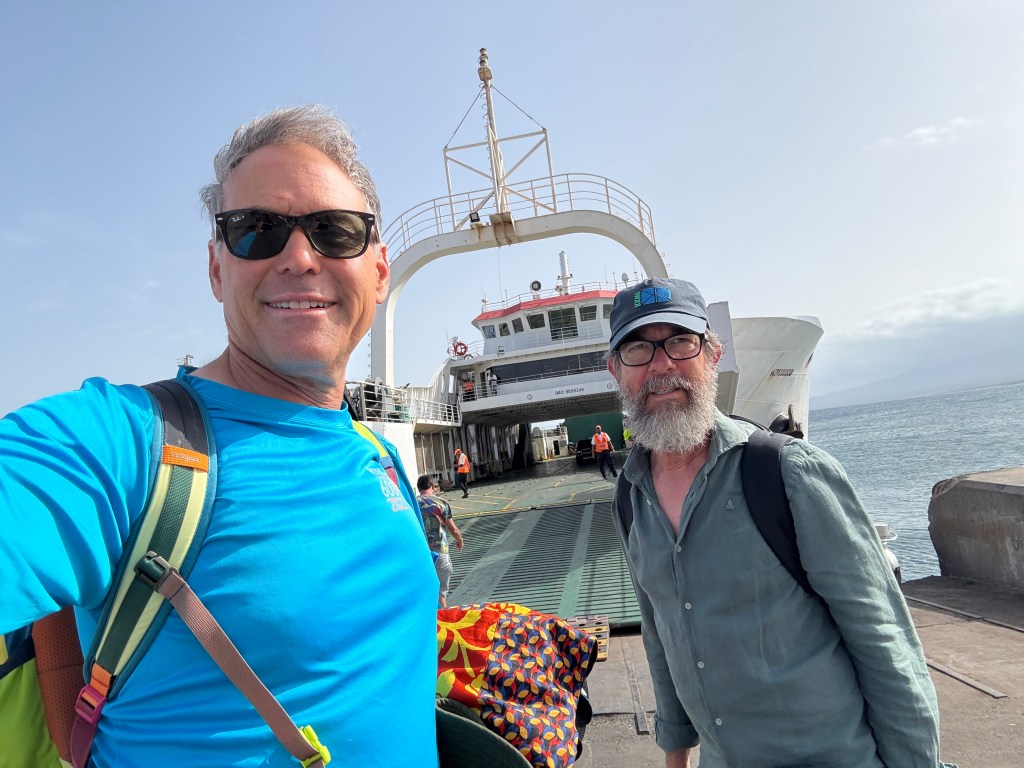
Godot’s arrival date has come and gone. So instead of sitting and stressing, we decided to take a trip to Santo Antão by ferry. Anticipating the delay, I left several days earlier, and Randall followed after one too many days in the sun-drenched humidity of Mōli’s hold.
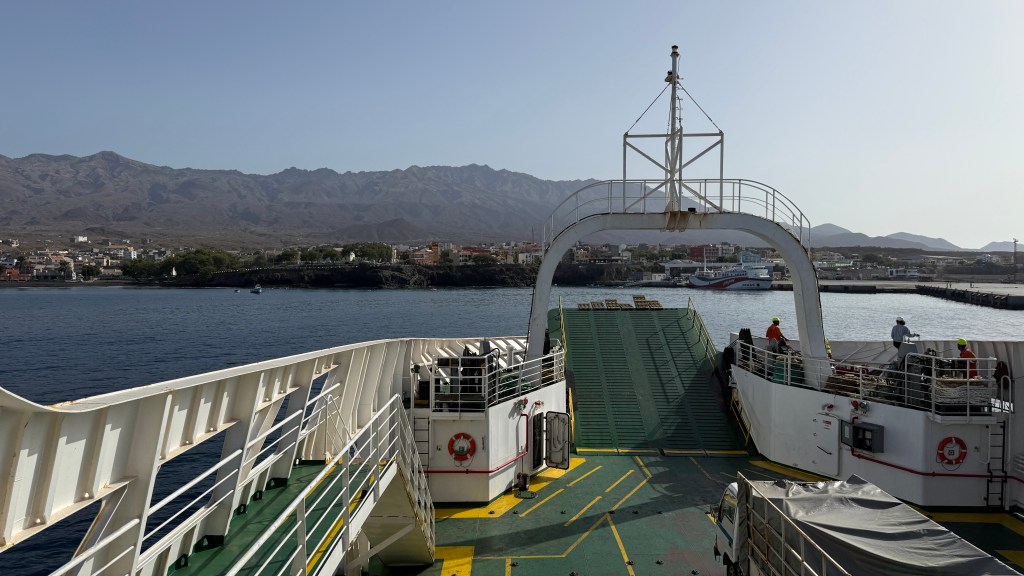
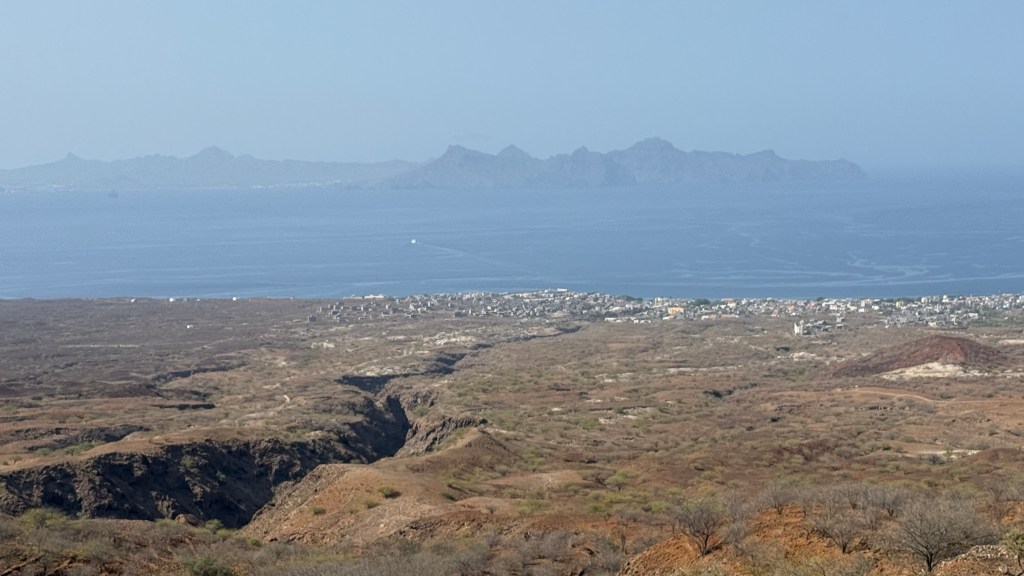
Served by two ferries per day, Santo Antão has a population of almost 45,000.
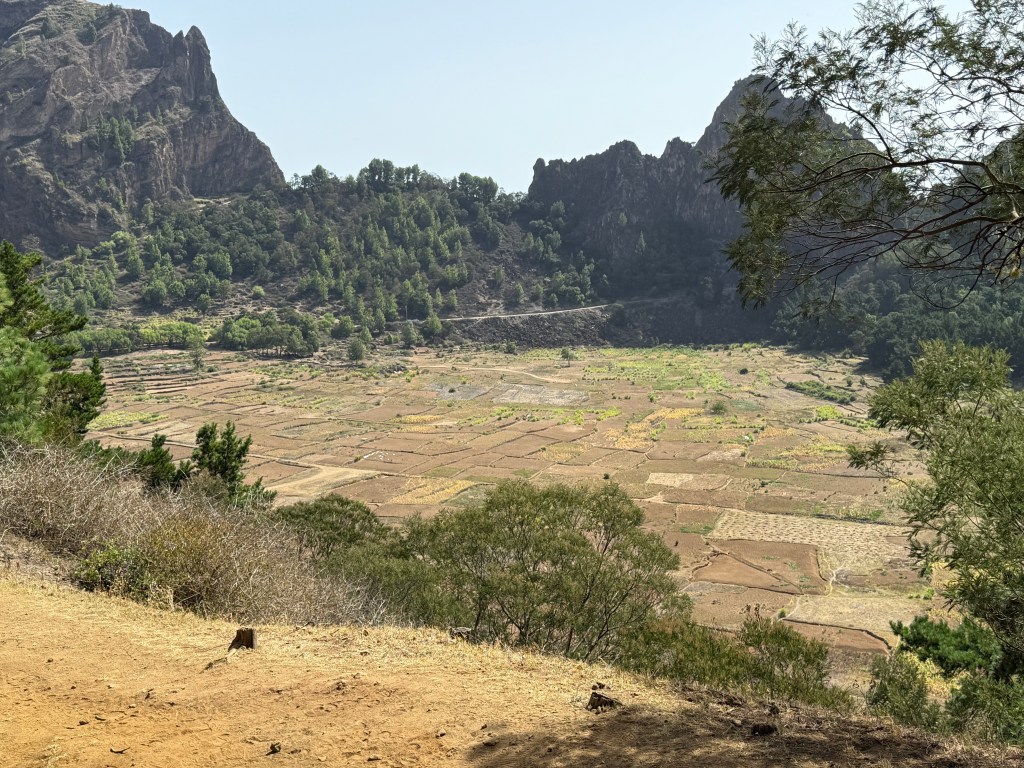
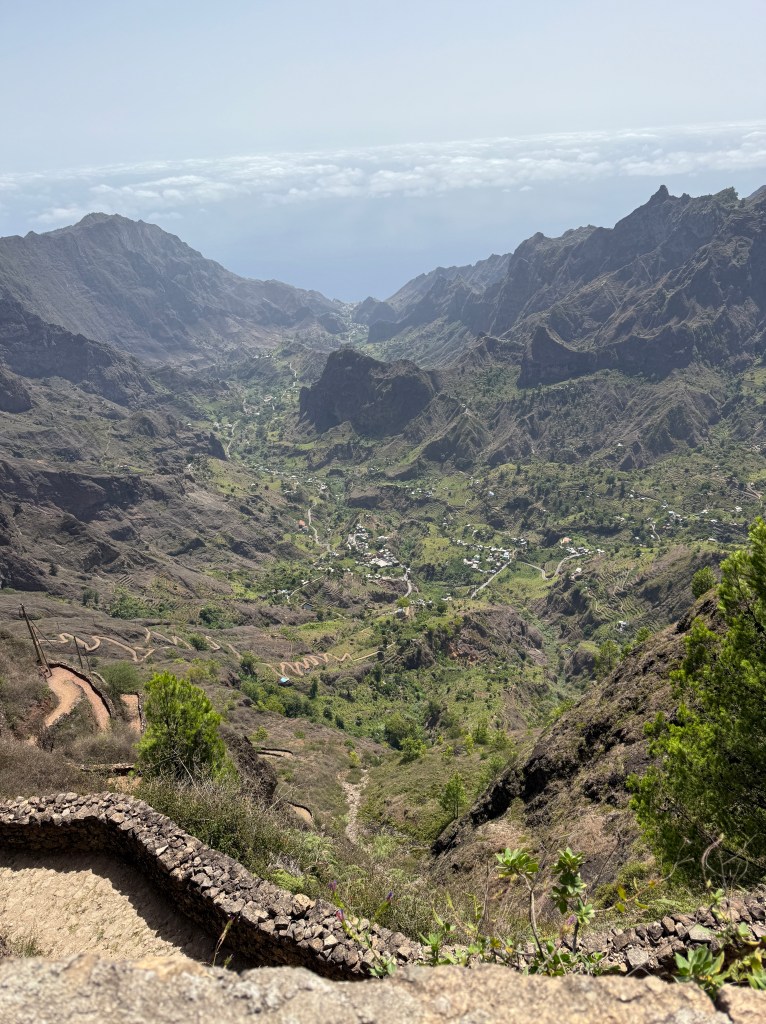
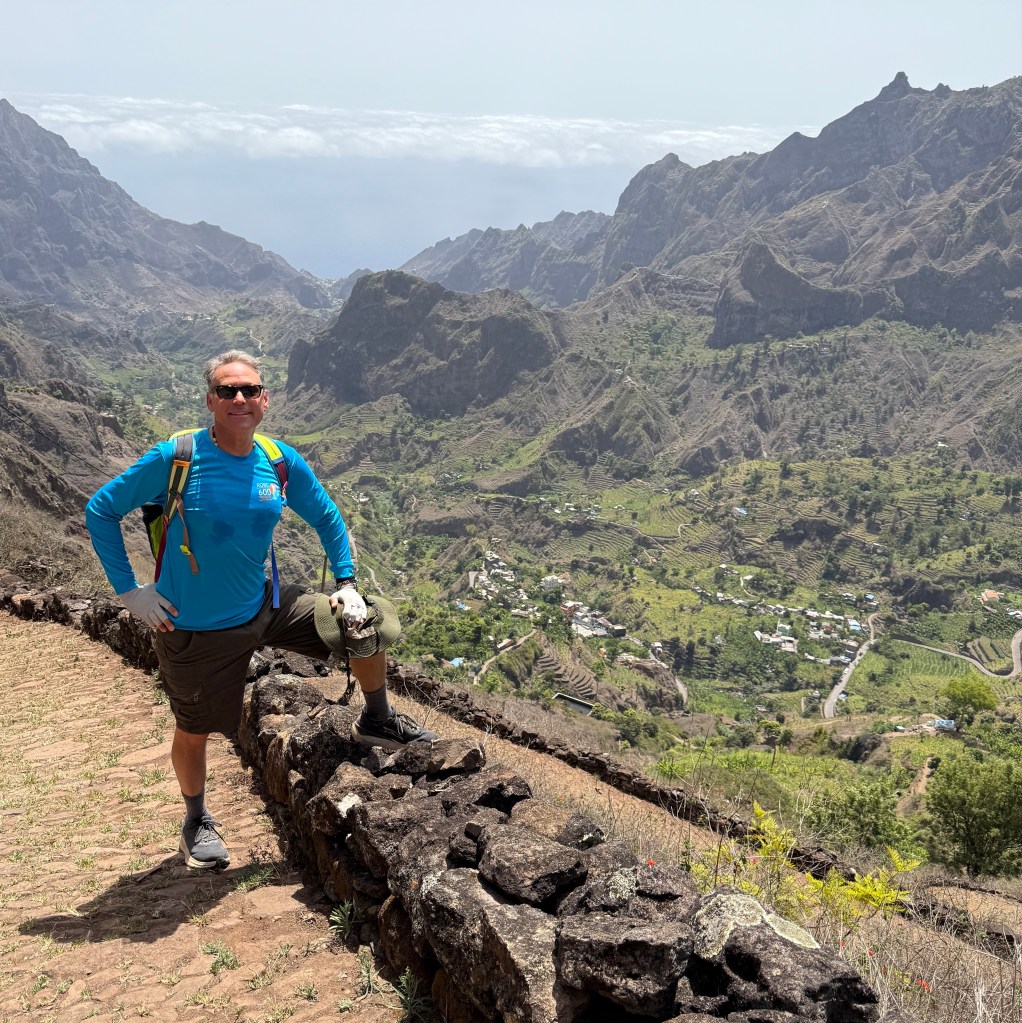
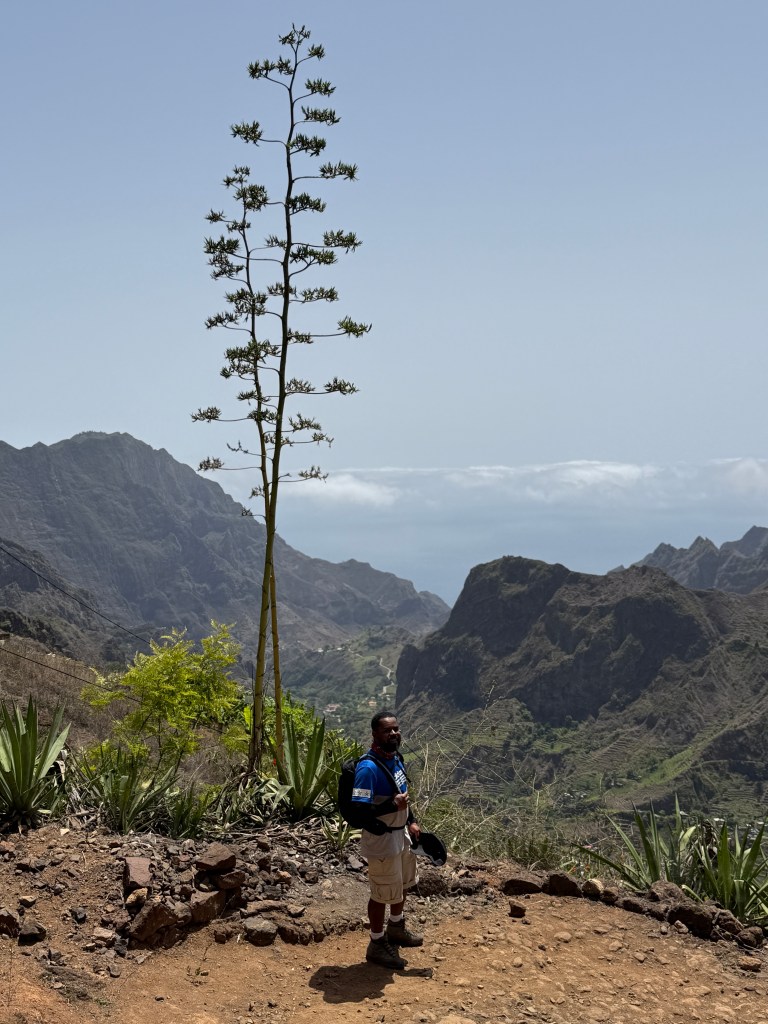
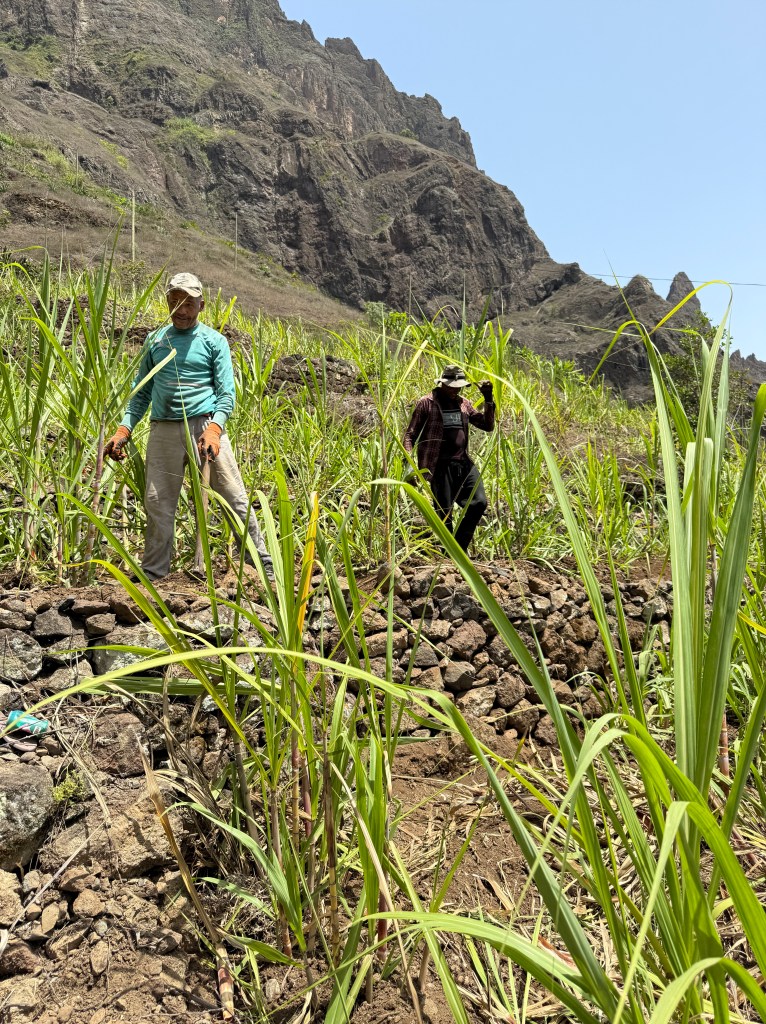
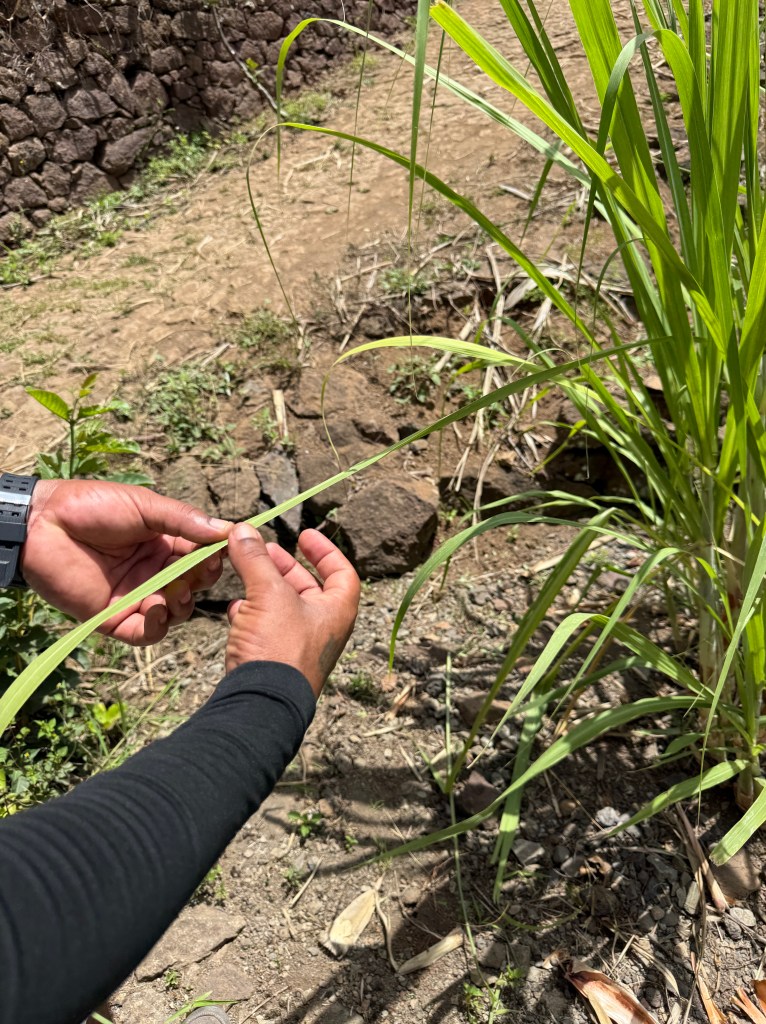
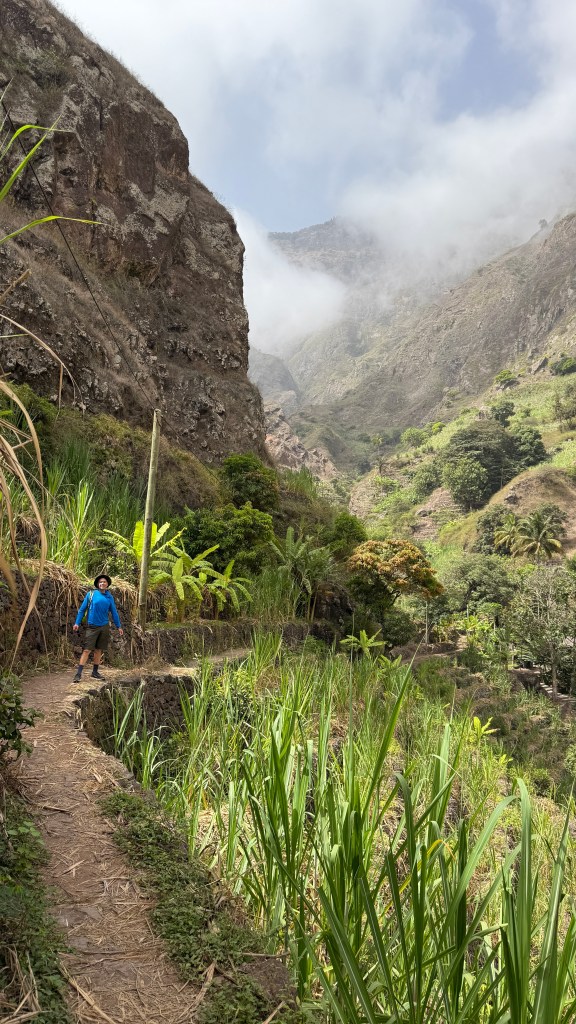
Sugar cane is an important crop. Hard to plant, hard to maintain, hard to pick. The Portuguese populated the island with slaves to take care of much of the business. But unlike the Caribbean islands which ceased production of sugar cane once the sugar beat became a cheap alternative, here they still maintain a vibrant crop used for the making of rum and aguardiente as well as using the husk for the construction of roofs.

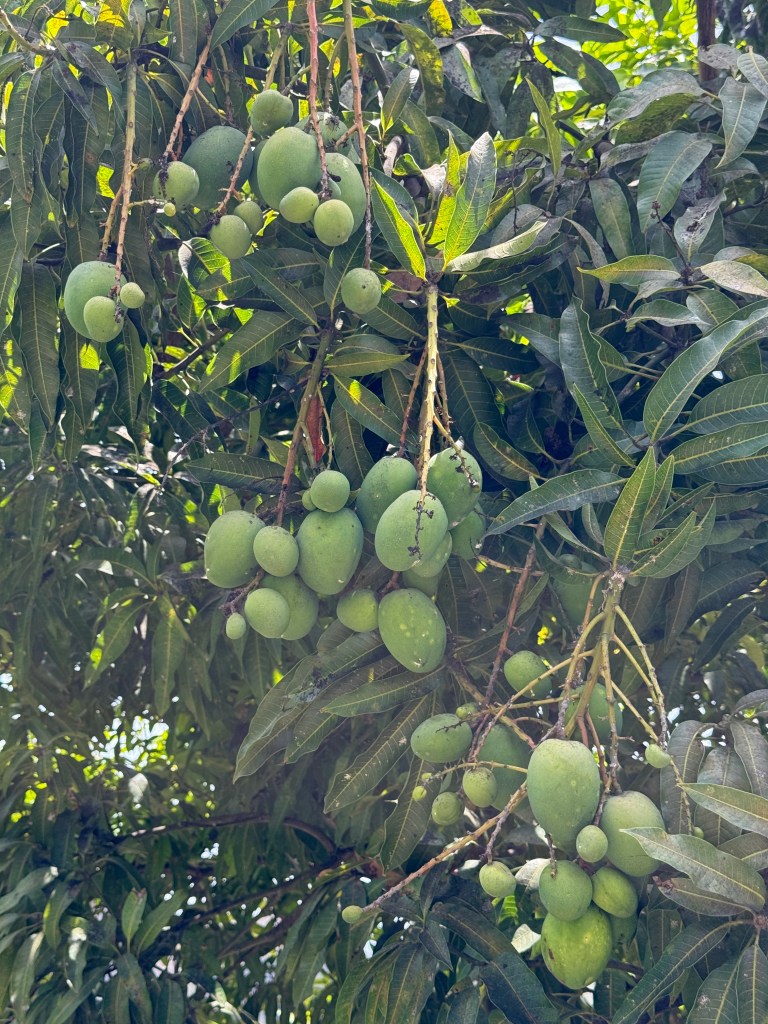
There are unofficially two types of mango trees – the “local” and the “stranger” pictured above.
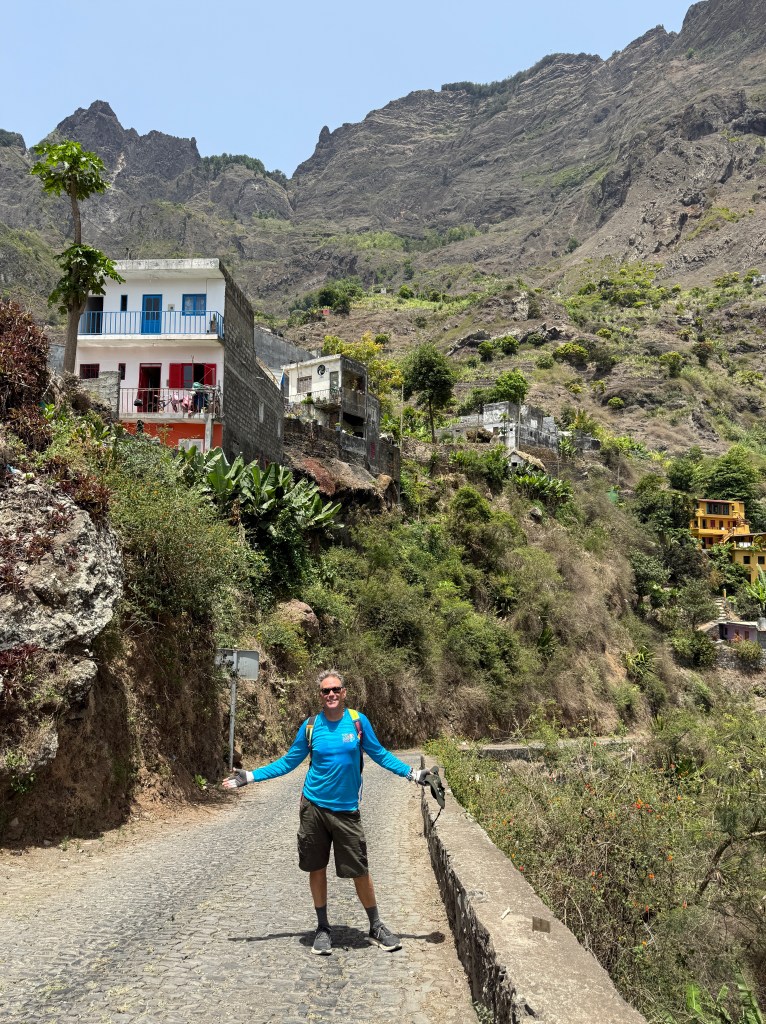
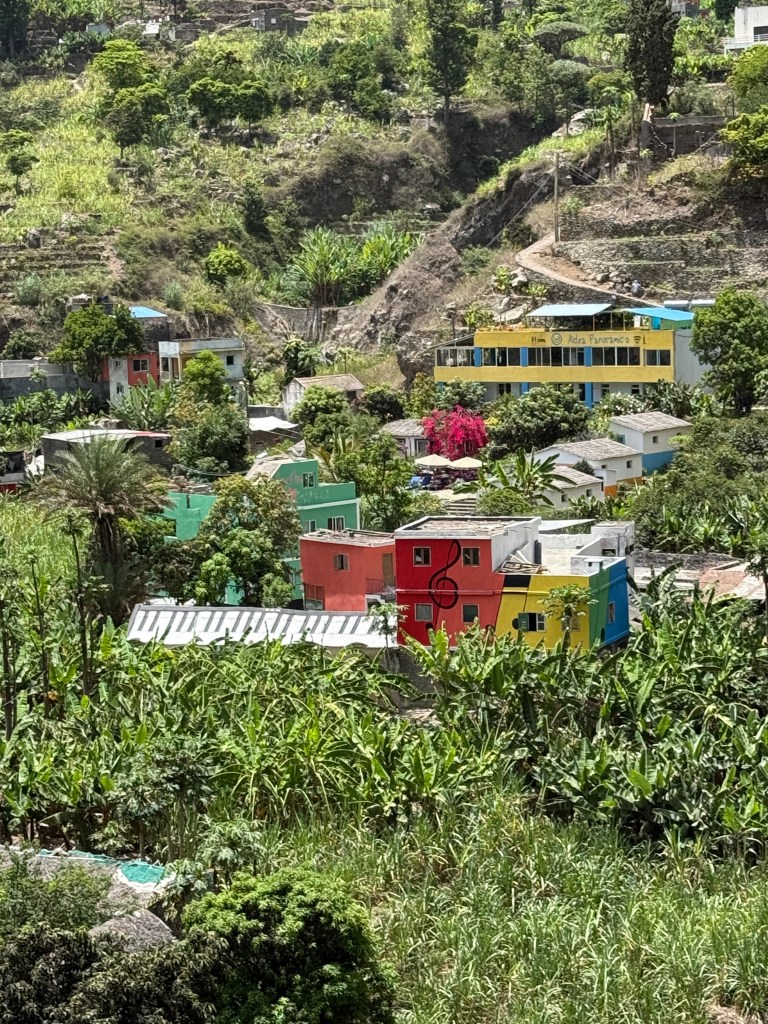
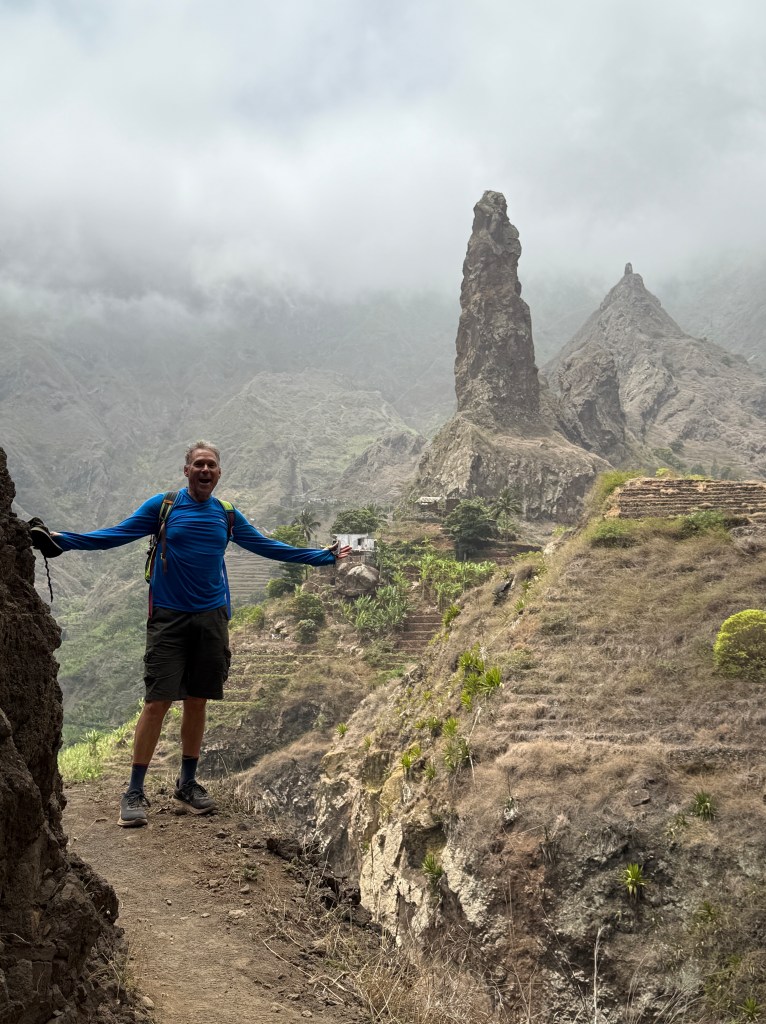
After a 10 kilometer hike that nearly killed me, we arrived in the mountain town in Paul region. Upper Left is a local house used as a music school.
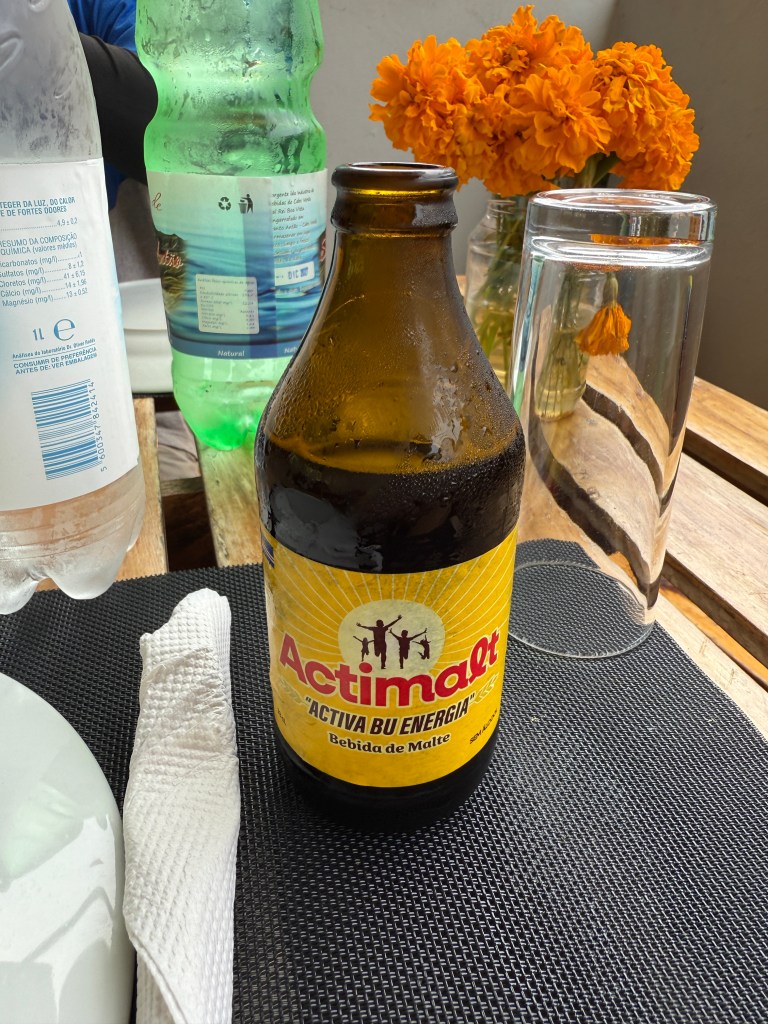
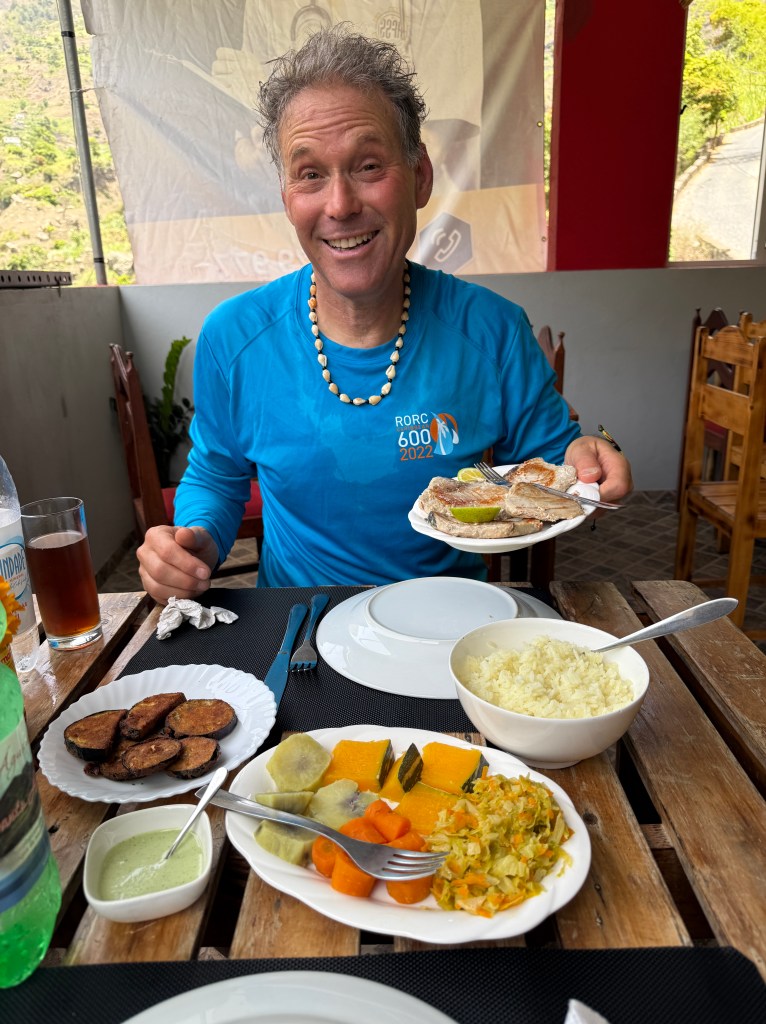
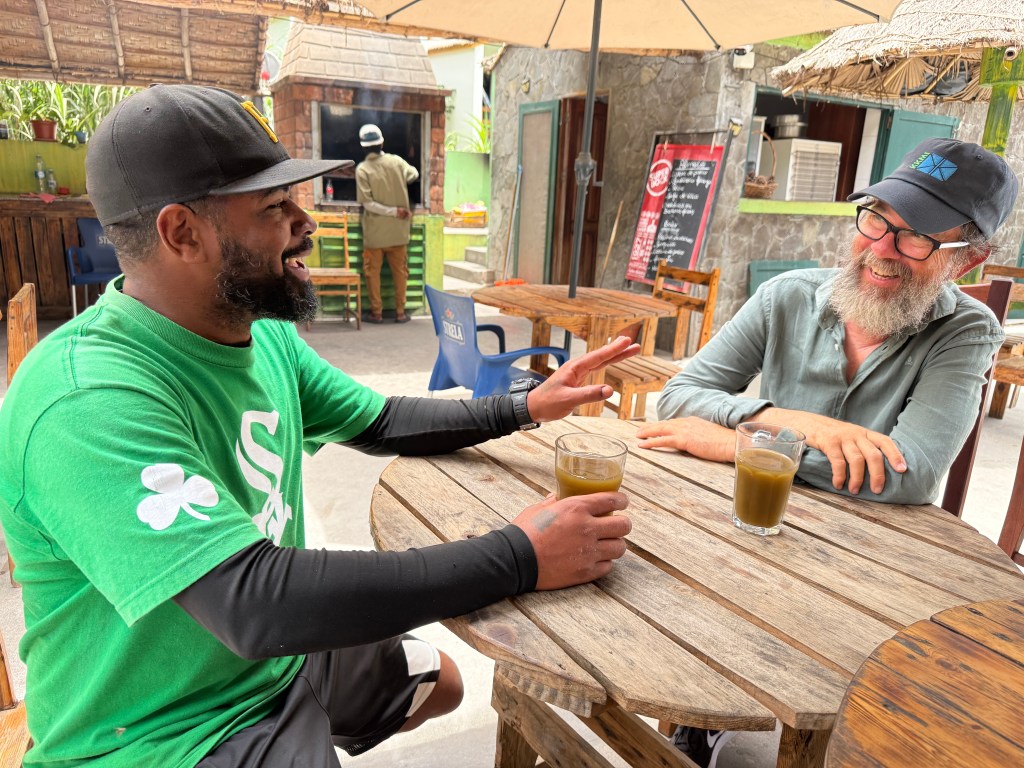
Above left: I was so hot that I could not eat, but enjoyed the local non-alcohol malt beverage. Very dark and musty flavor.
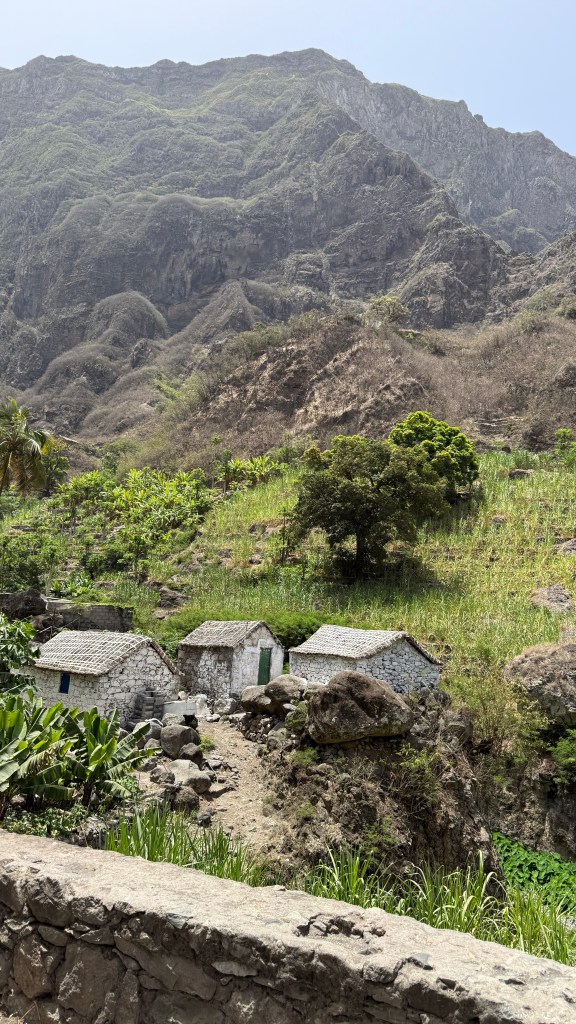
On the way out, Nass pointed out the local real estate. Above left: is considered one home – the house on the left is the living room, the one in the middle is the kitchen, and the one on the right is the bedroom. Due to the stone construction, easier to build and maintain this way.
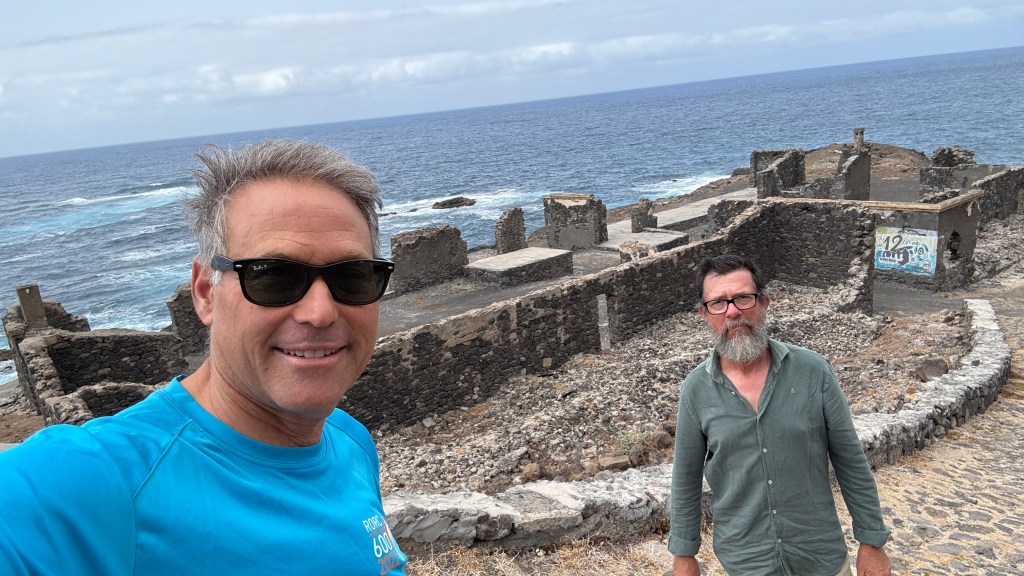
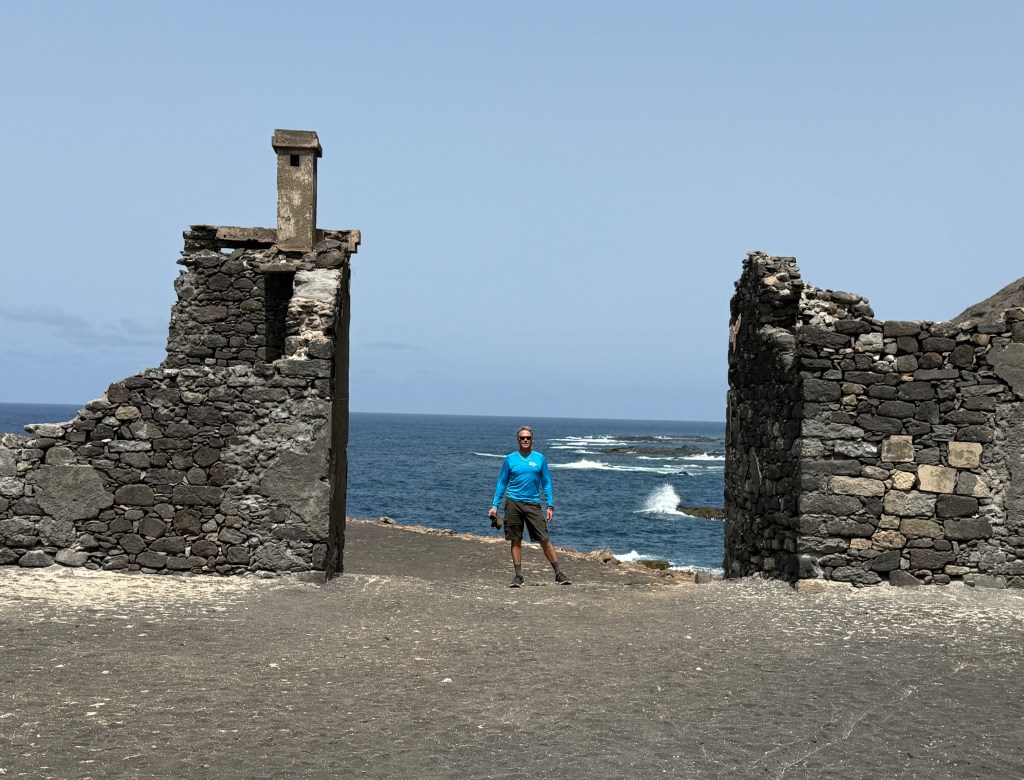
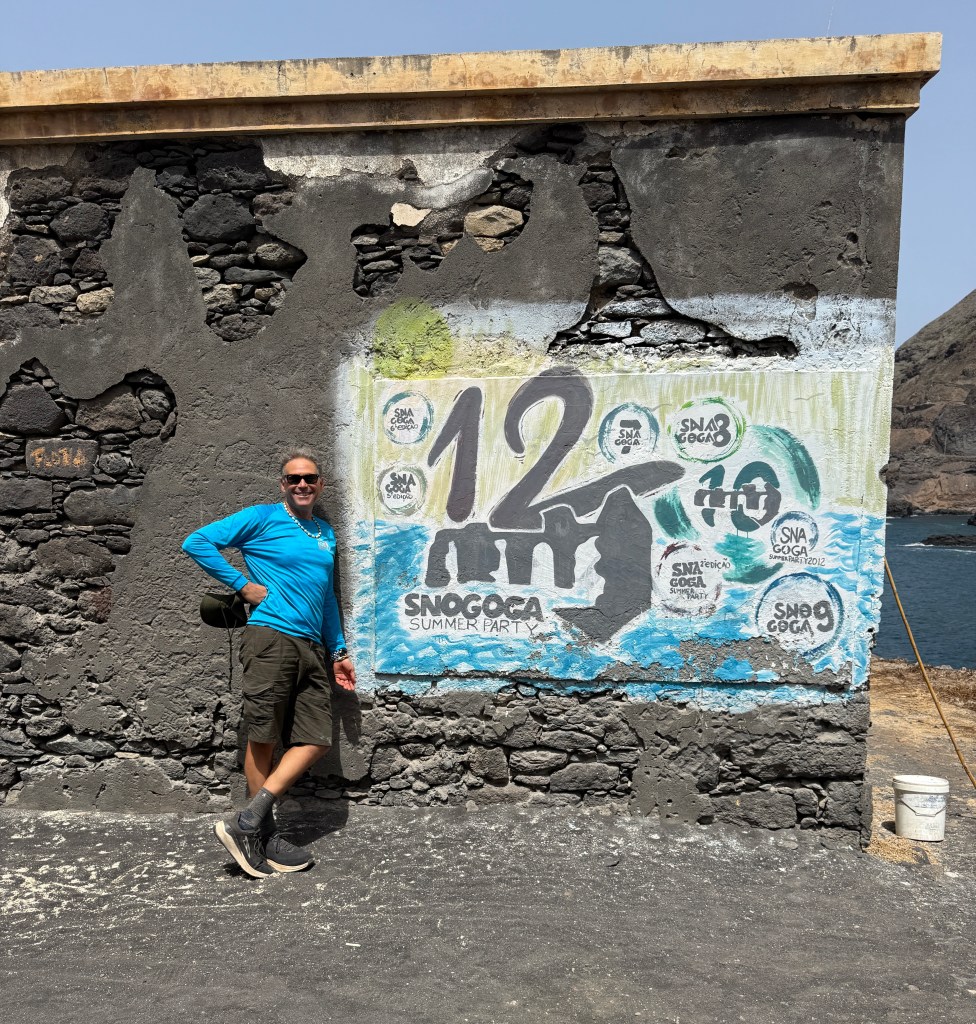
I was super stoked to see on the map that there is a town called Sinagoga. It was Shabbat, and I needed one! When we finally made it there, I saw that it was a ruin. It turns out that after the Spanish Inquisition ended in 1834, Jew’s were once again allowed to come to Portugal and their islands. A small number of Jew’s from Morocco and Gibraltar emigrated to Cape Verde and specifically to Santo Antão and were instrumental in setting up an international trade in cotton and coffee. They were quite well known and respected. As they were mostly young Jewish men that came to the island, they were obviously single, and, well, things happen, like they met, fell in love with and married the local Catholic women.
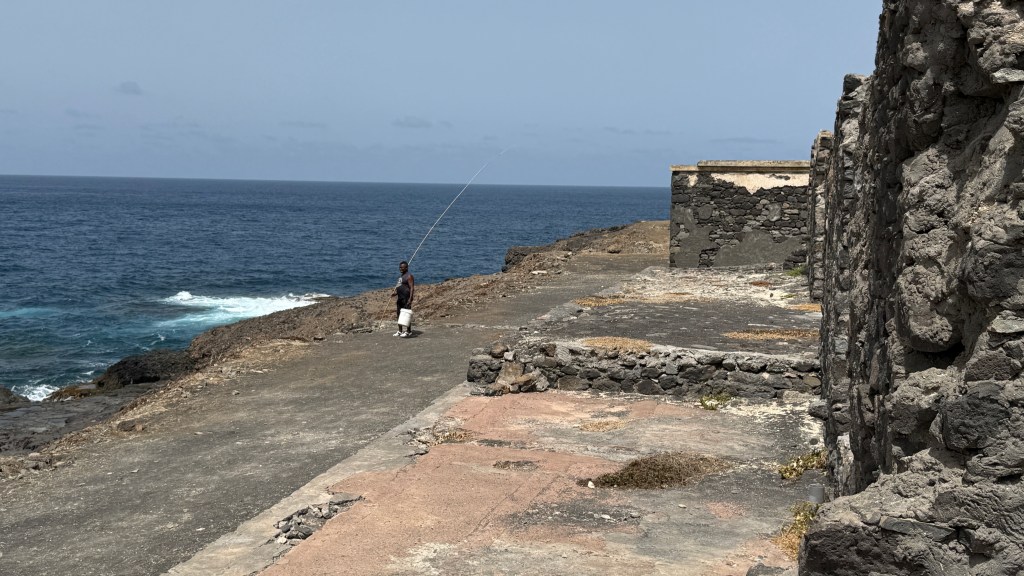
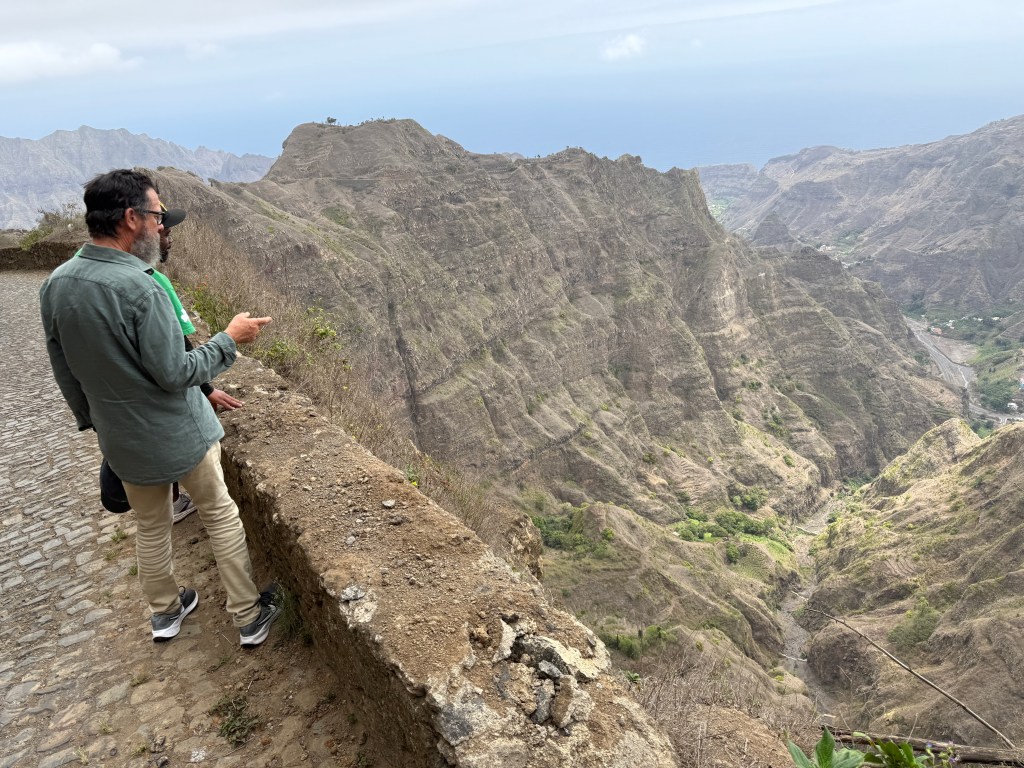
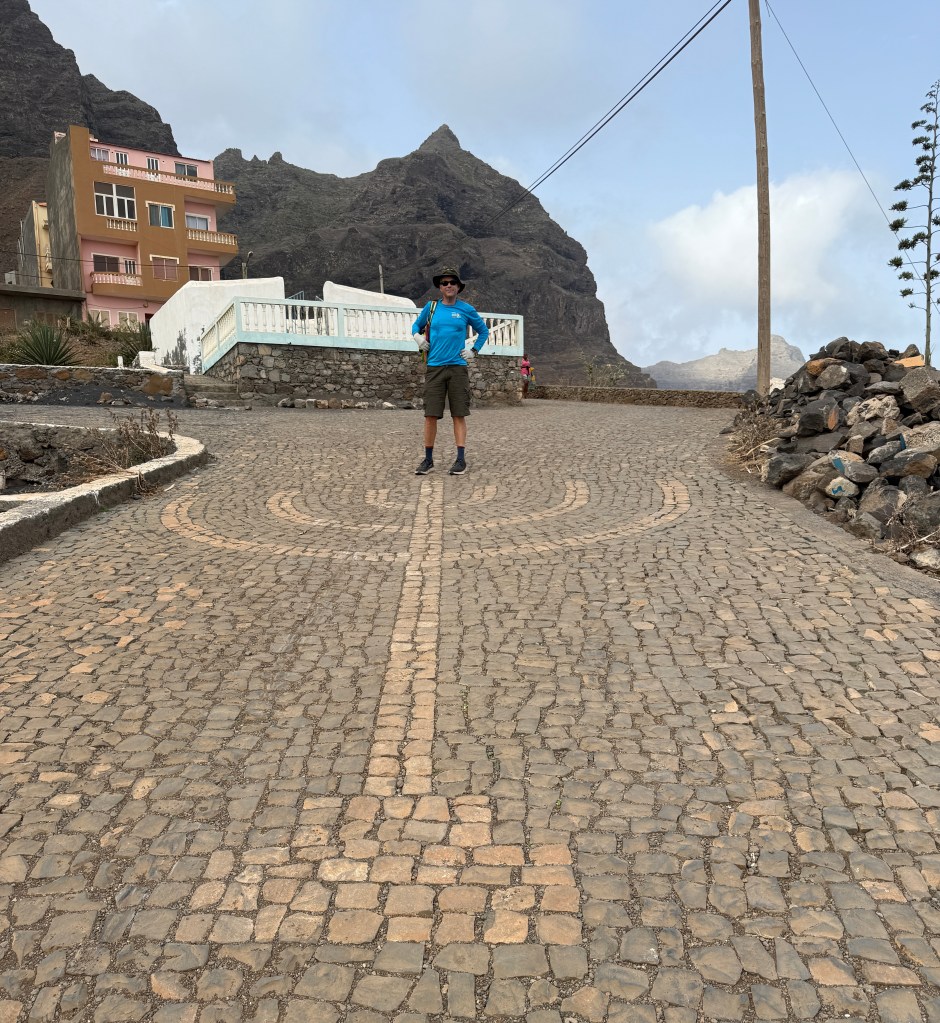
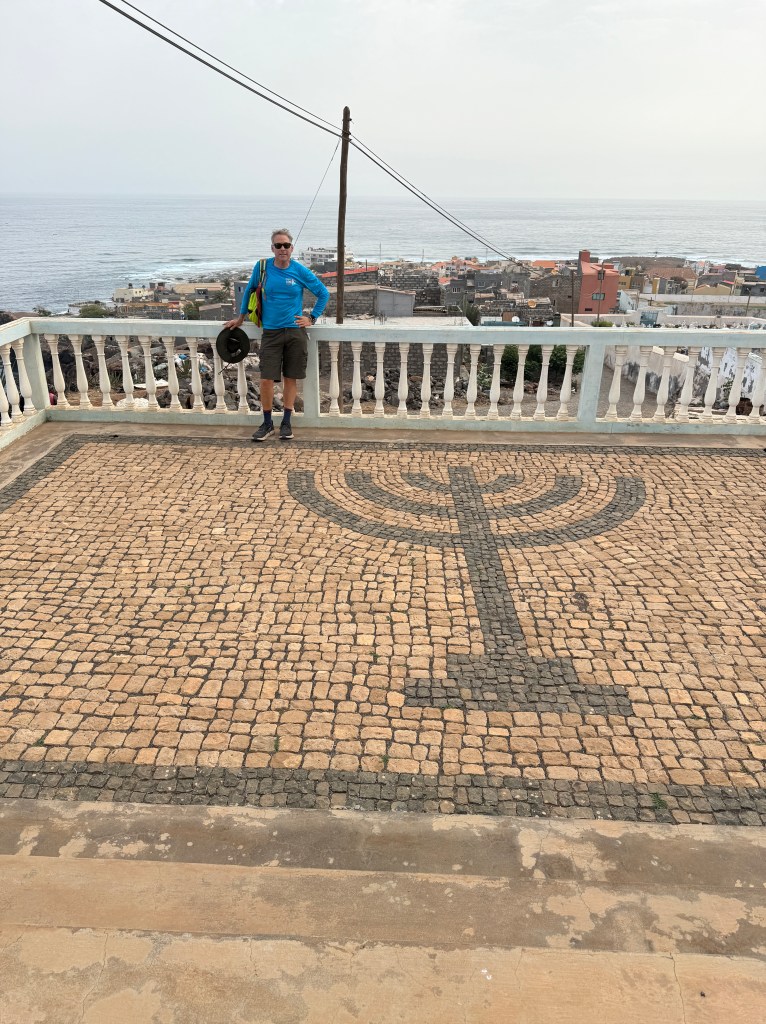
Once my guide Nass knew I was Jewish, he insisted on taking me to two more Jewish sites – this is one of the two Jewish cemeteries on the island that the government has taken it upon themselves to maintain.
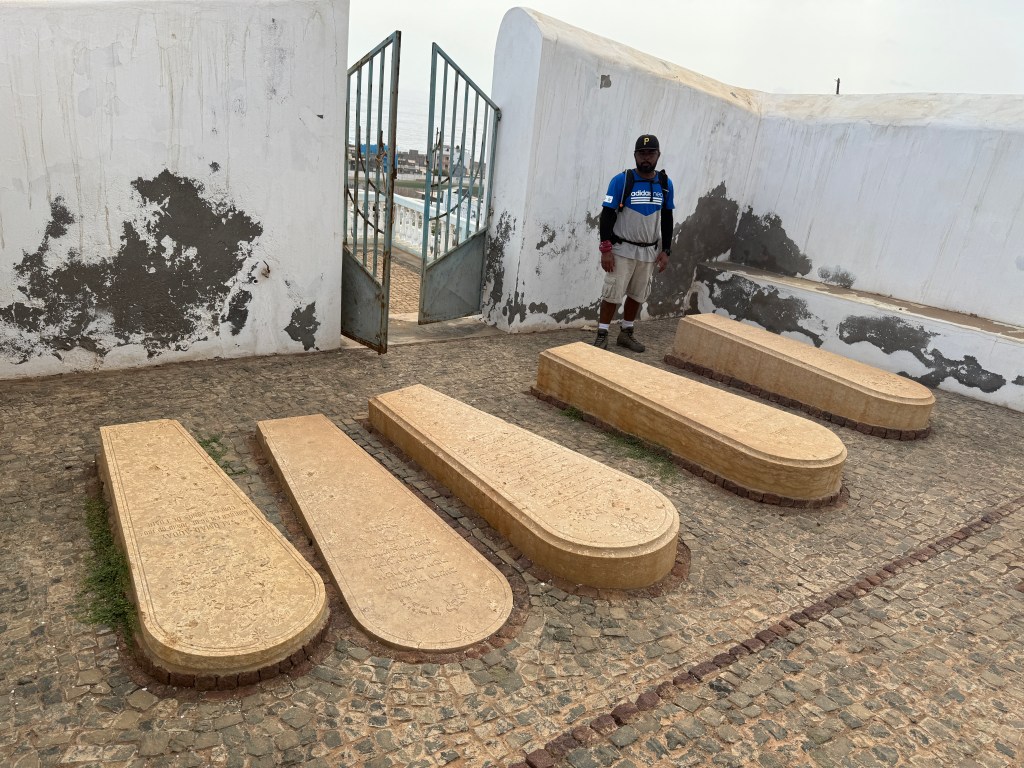
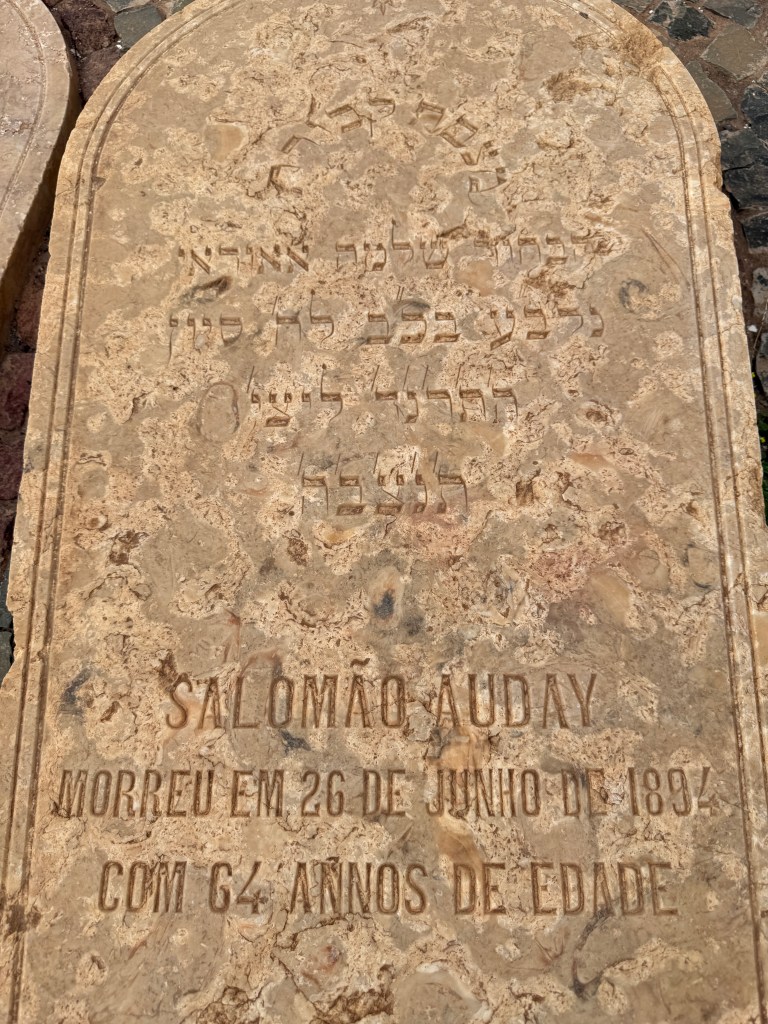
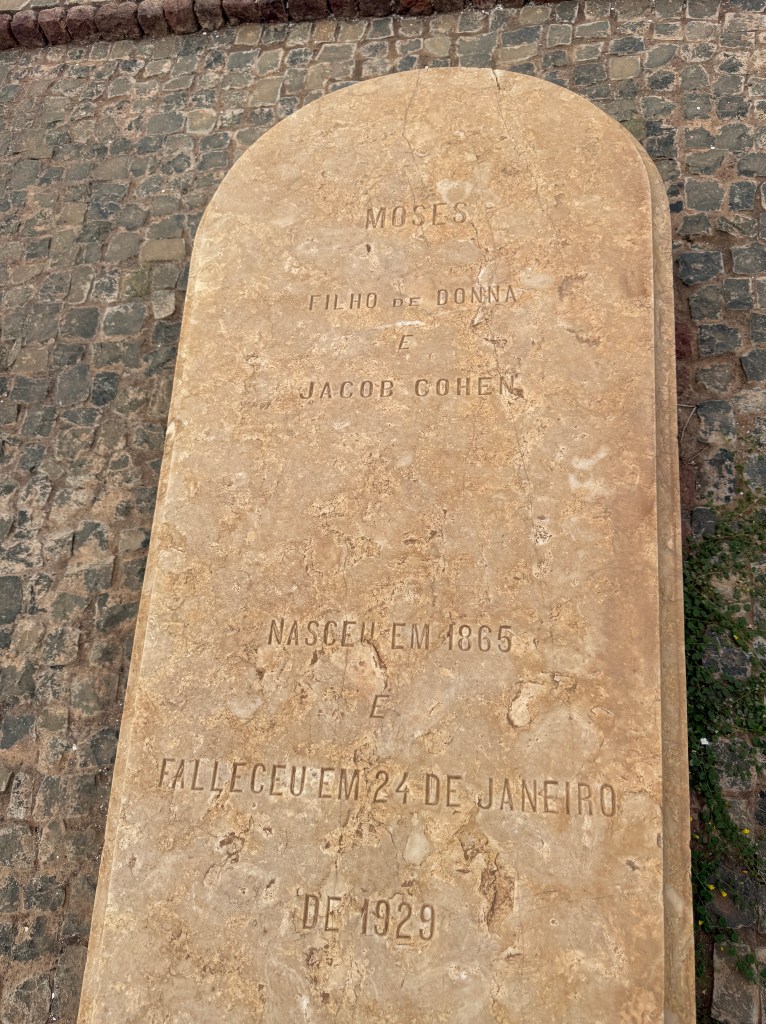
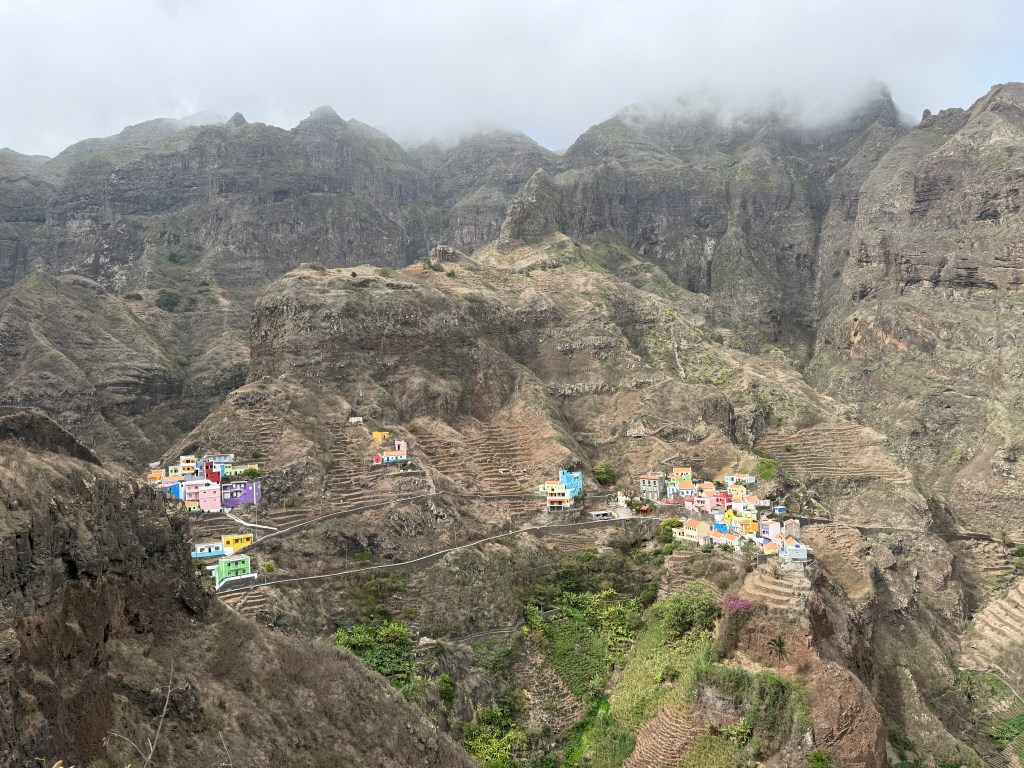
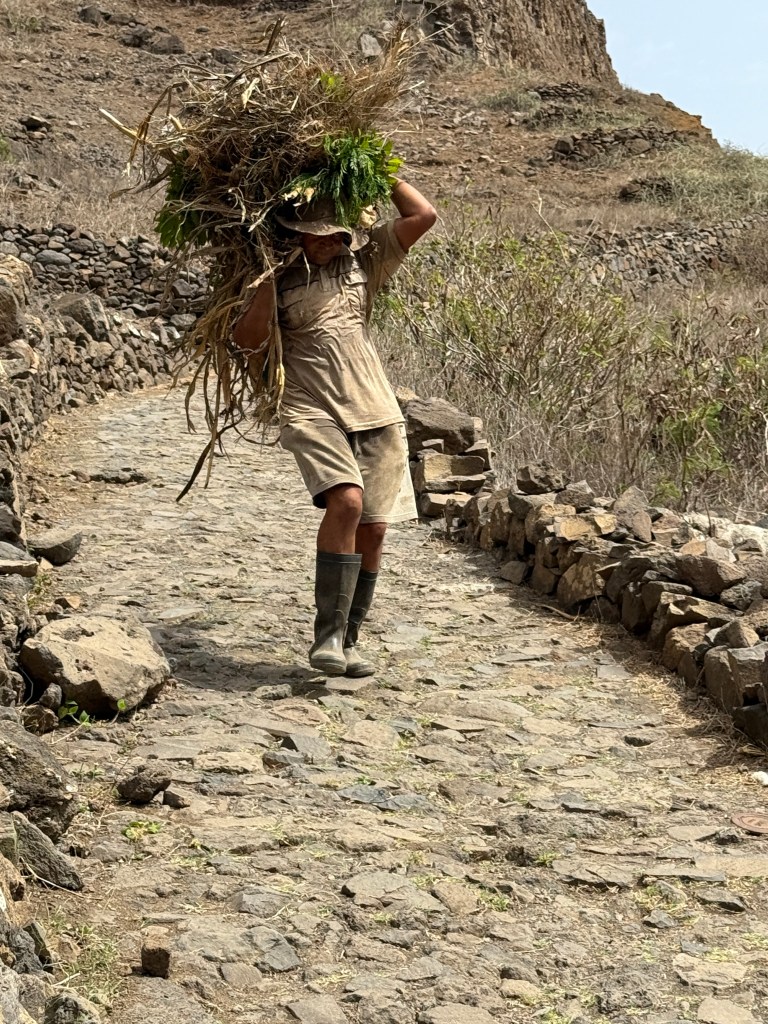
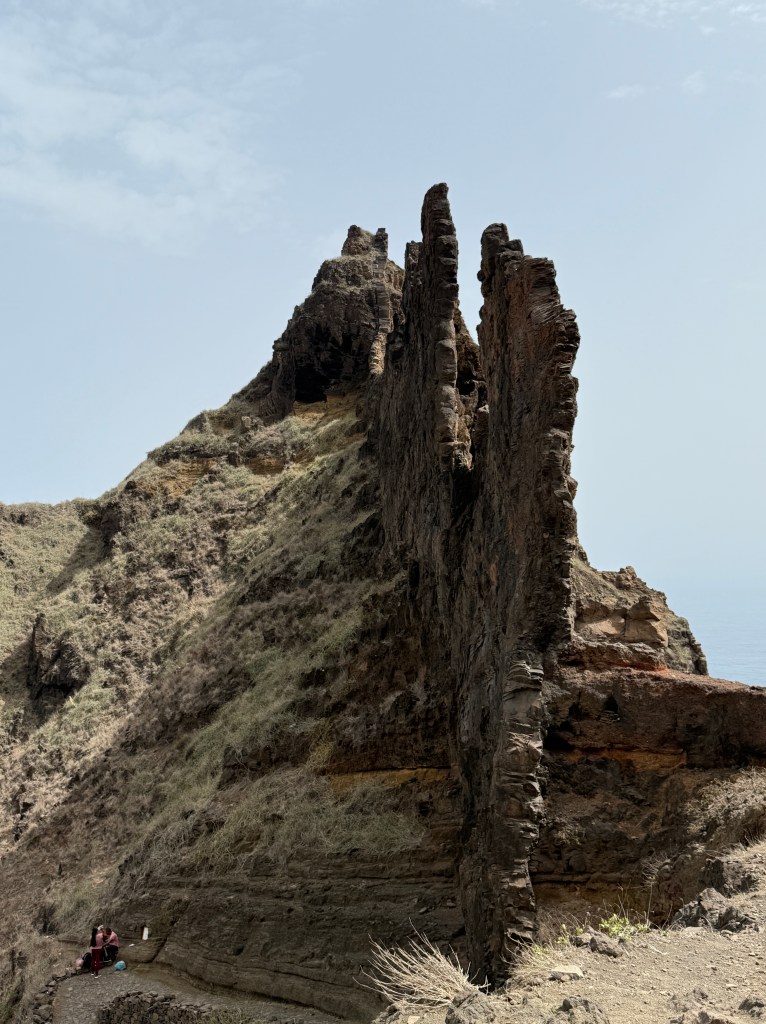
Above Left: It is not uncommon to see the locals carrying sugarcane leaves for residential use. Above Right: The local volcanic activity is long since past, but the remnants are incredible.
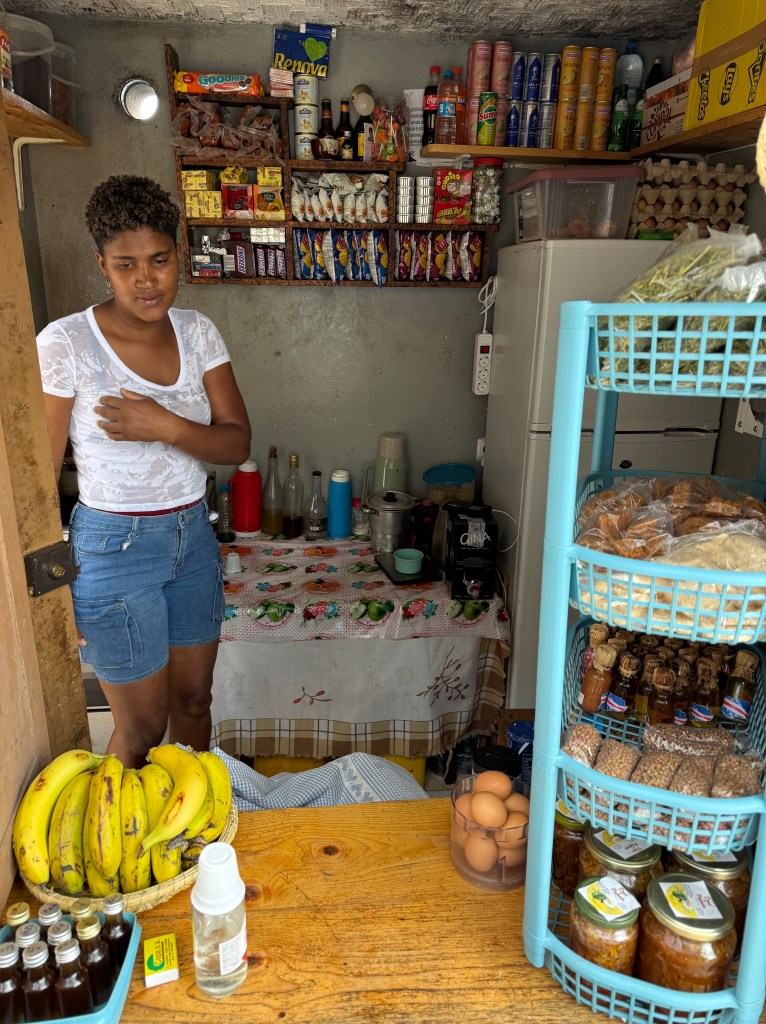
Above: We stopped at this tiny roadside kiosk to have coffee and the mango jam this lovely woman was making.
Above: At night in Ponta Do Sol, there was lots of music. I enjoyed this at a small restaurant.
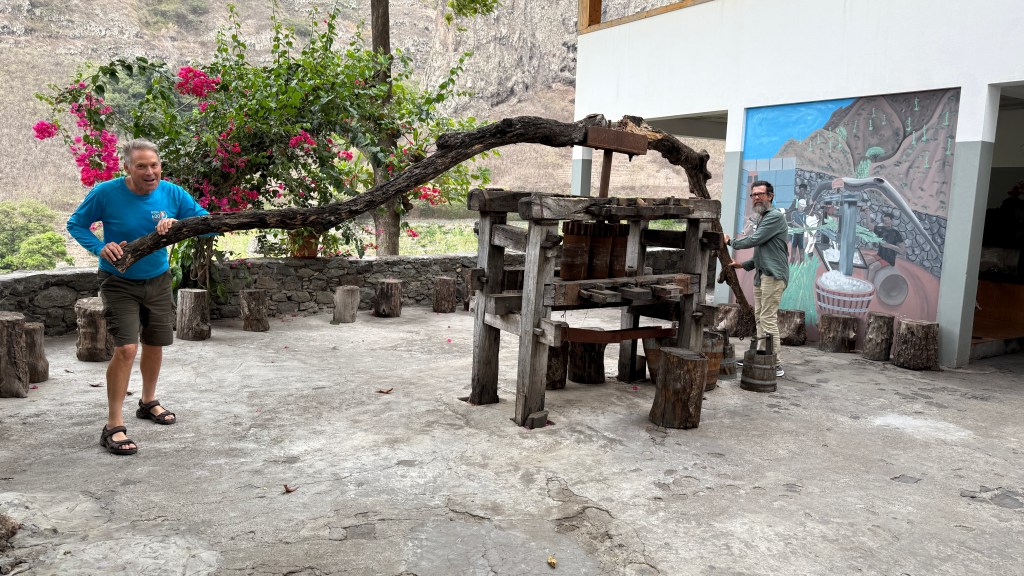

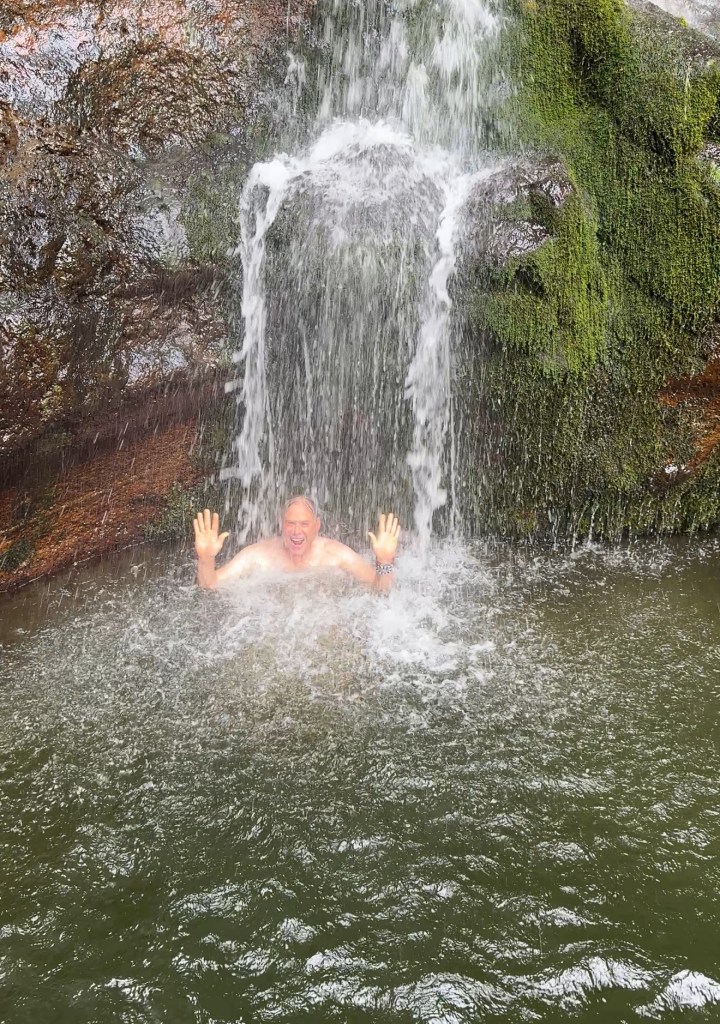
Finally we get to the waterfall…
Above: On the way back to the ferry, we were in a rush and we came upon a town funeral that we had no choice but to hand back and pay our respects.
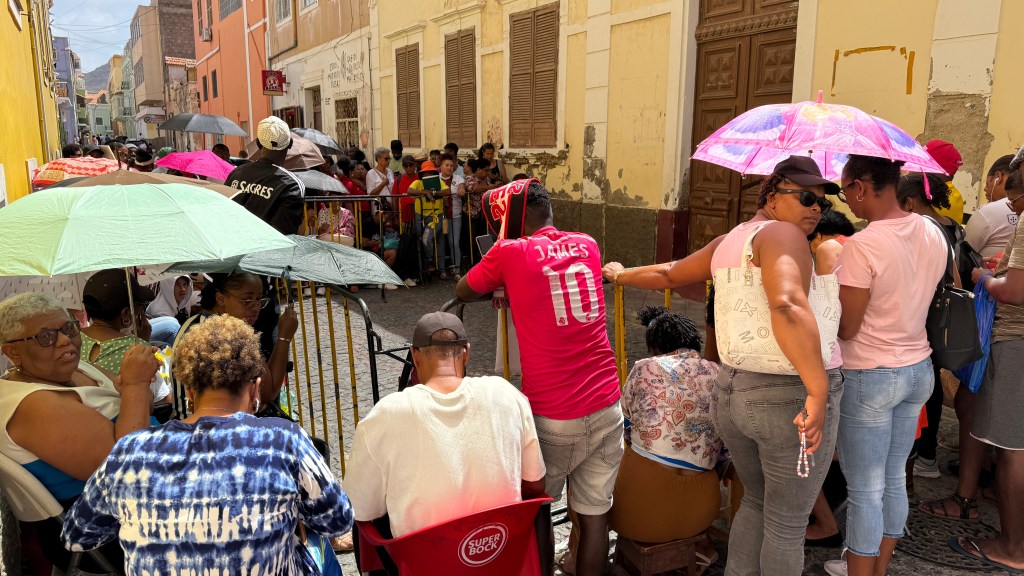
Shopping with Valeria was so fun. Thank you for putting together this video!

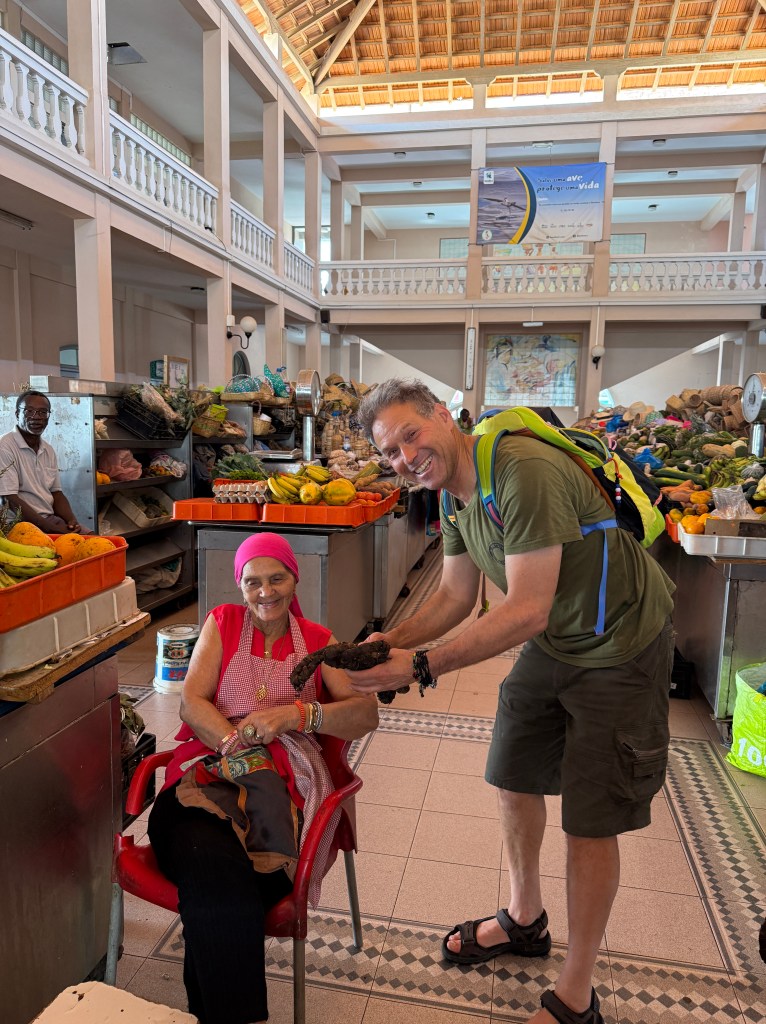
Above: We are leaving tomorrow, so I am at the market shopping. Above Left: I an getting some tobacco so the boat will smell better!!
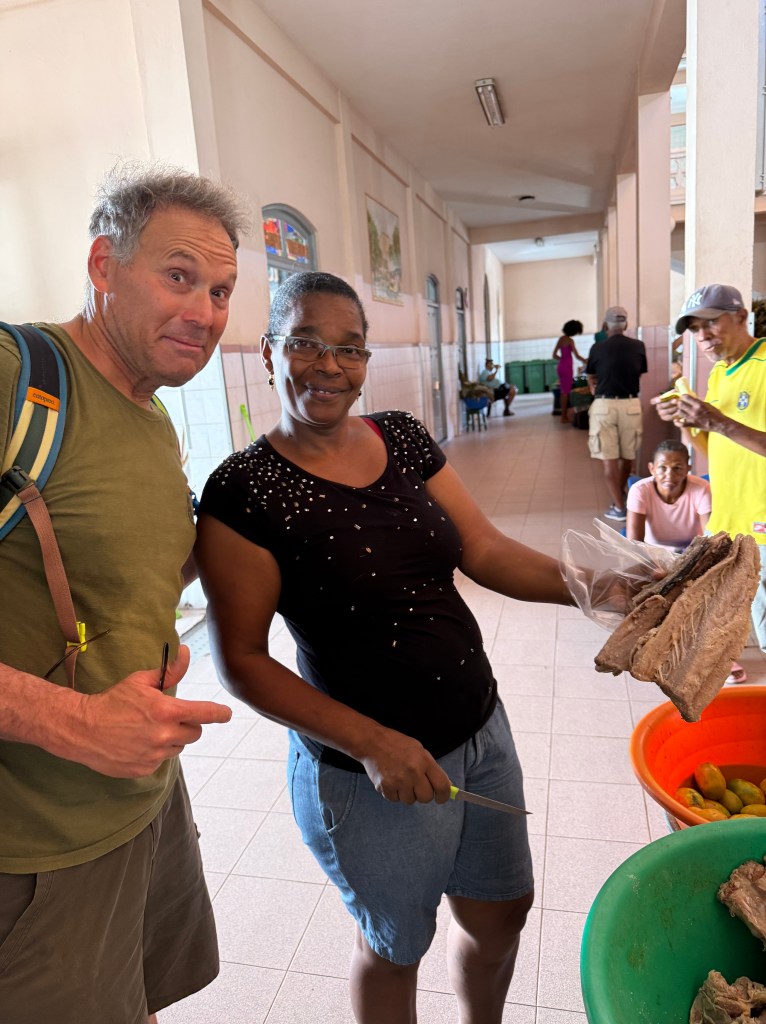
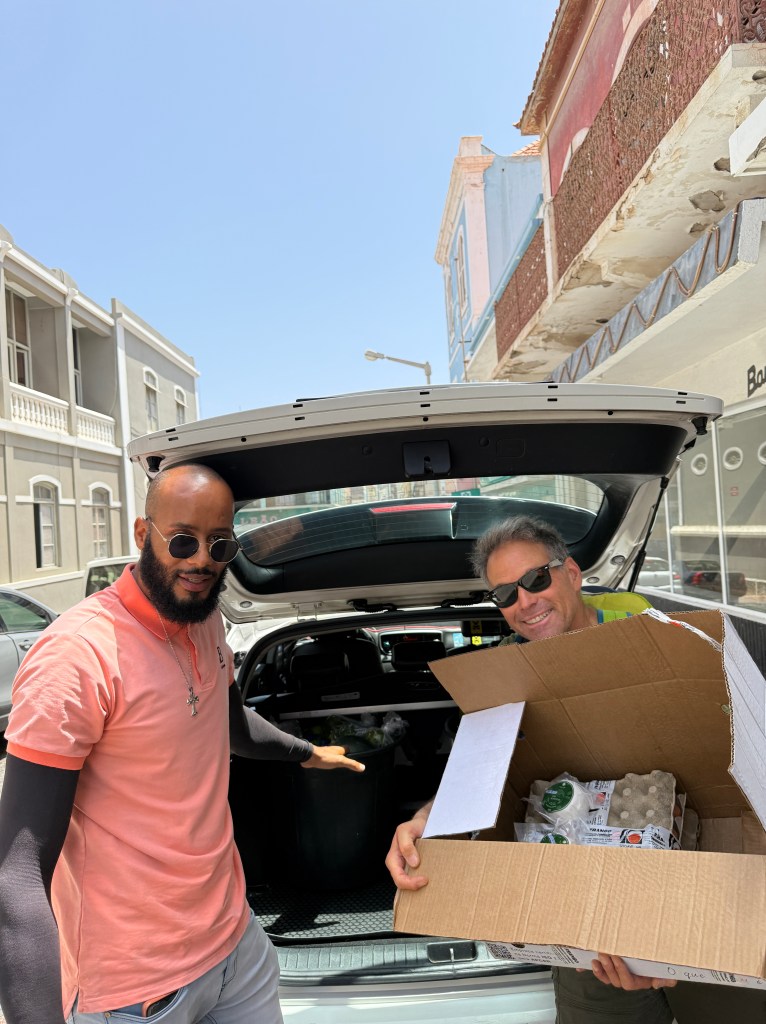
Above Left: Buying salted fish. Yum! Above Right: Getting all of the food into a cab.
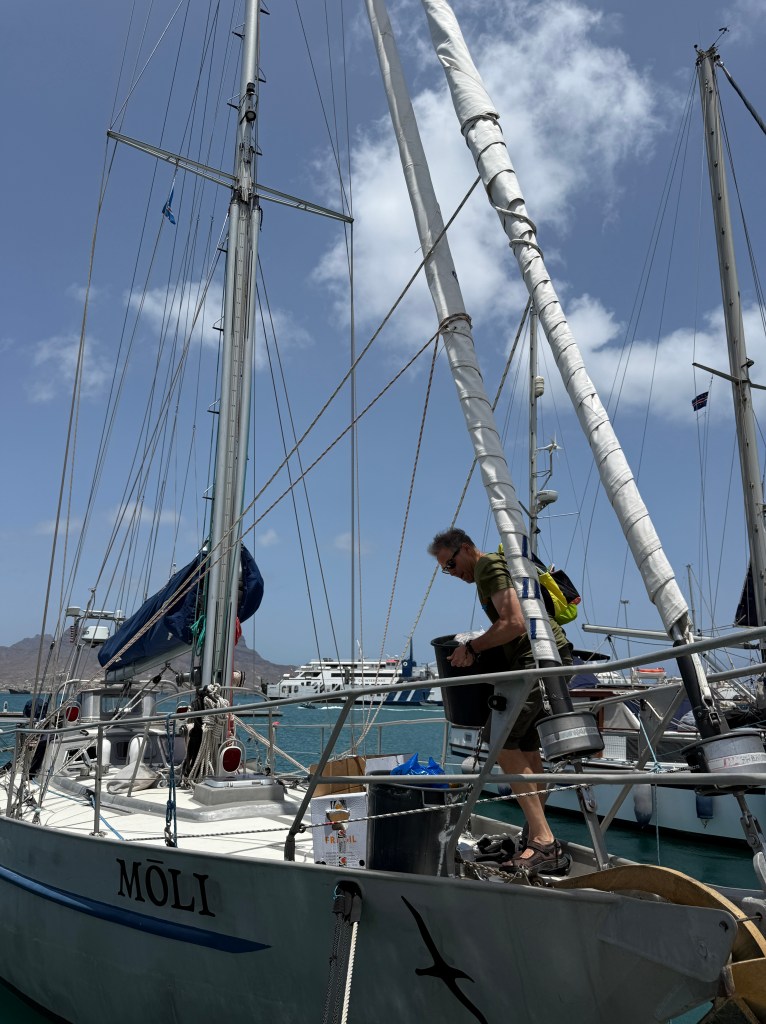
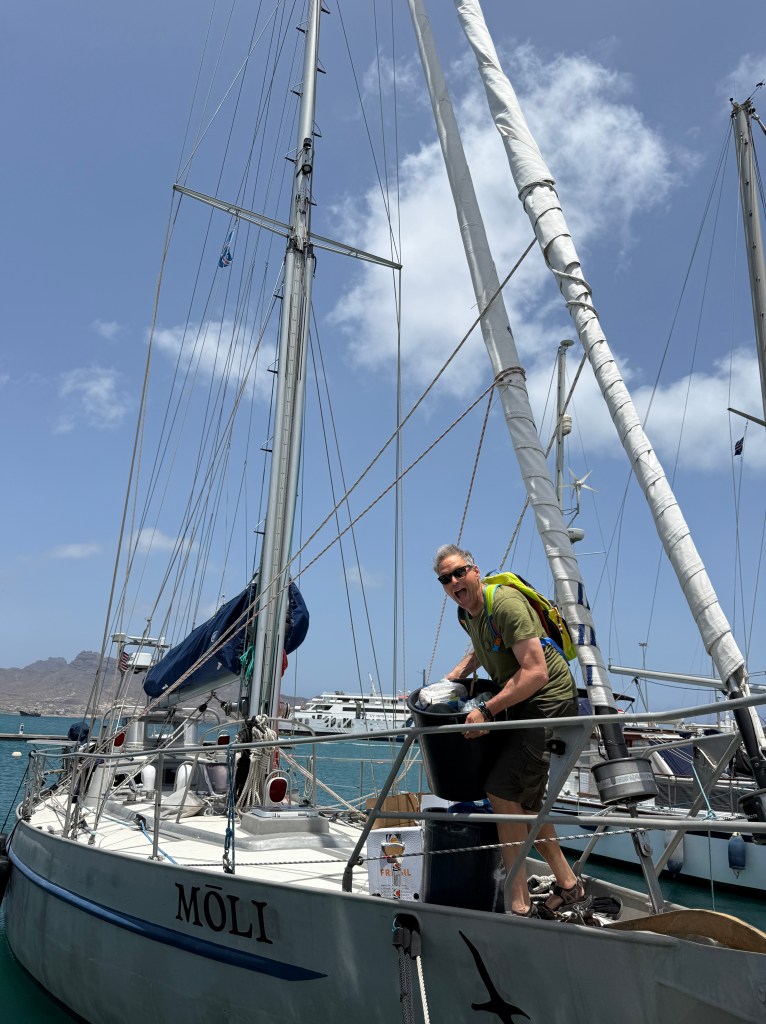
Above: Getting the food on the boat
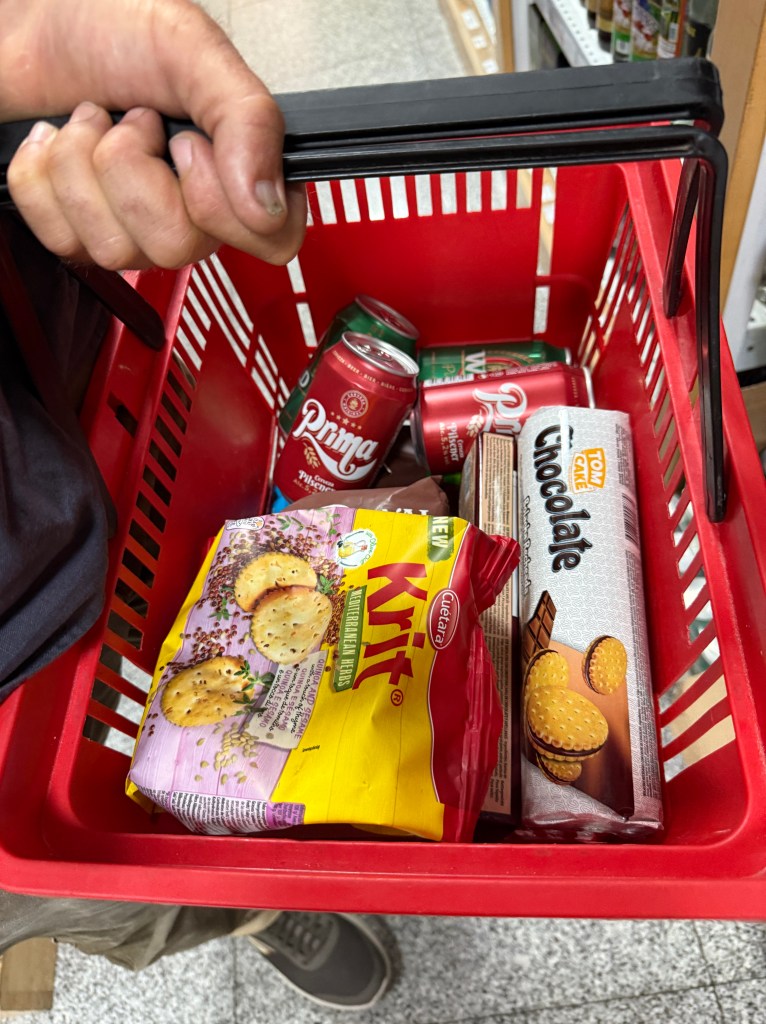
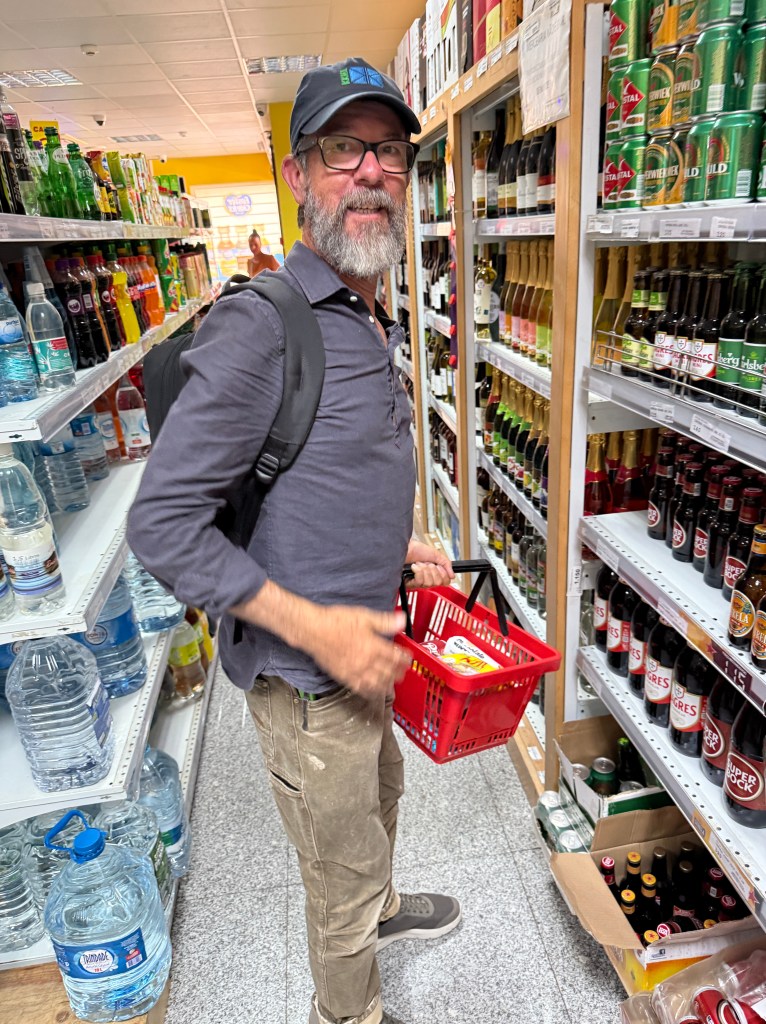
Above: While I buy fish, cheese, fruit and vegetables, Randall gets cookies and beer.
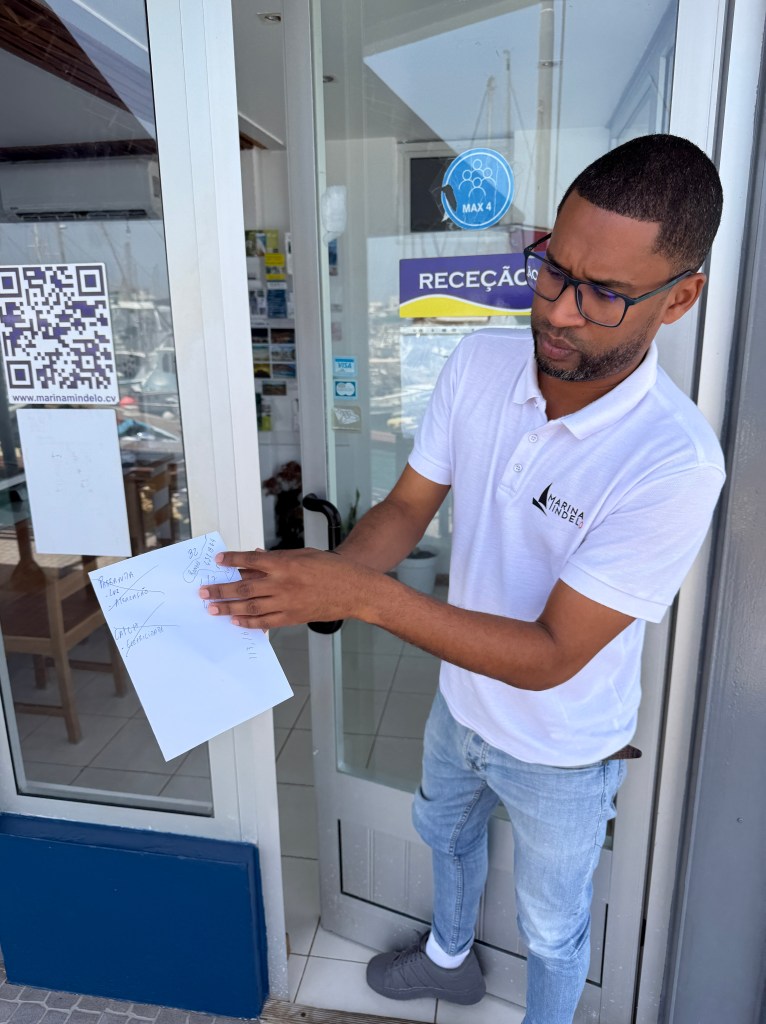
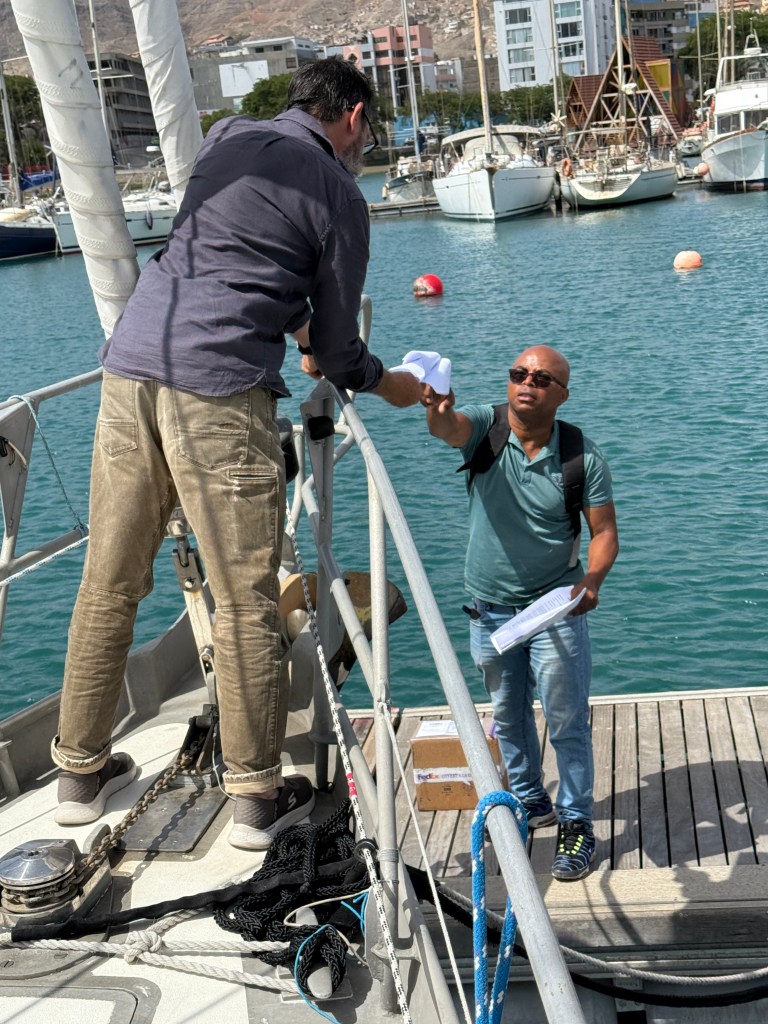
Above Left: On the way back to the boat, the marina manager told me that Randall’s package had arrived and that we needed to call the custom’s offie (to make a little deposit (payoff??!!). Above right: The package is getting closer
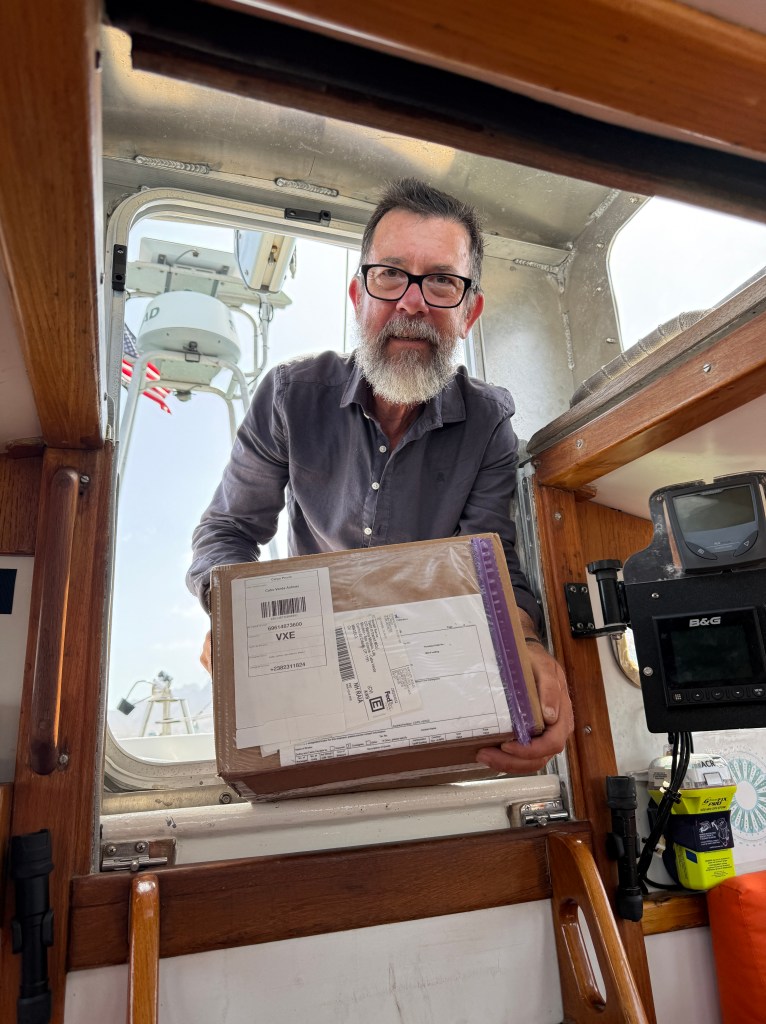
Well, this Gadot was worth waiting for. The package arrived, and tomorrow we are off to South America.
Happy 40th to Patrick Ryan. Sorry I missed the bash. May you have 40 x 2 more!!
And Stephen T., happy 81st to you and yours!
Cousin Lu, sorry to hear you are under the weather. Please take care!


 Harmon and Randall's Voyage...
Leave a reply to steveberl Cancel reply