Leg 3, August 16, 2025 – Latitude 23 South

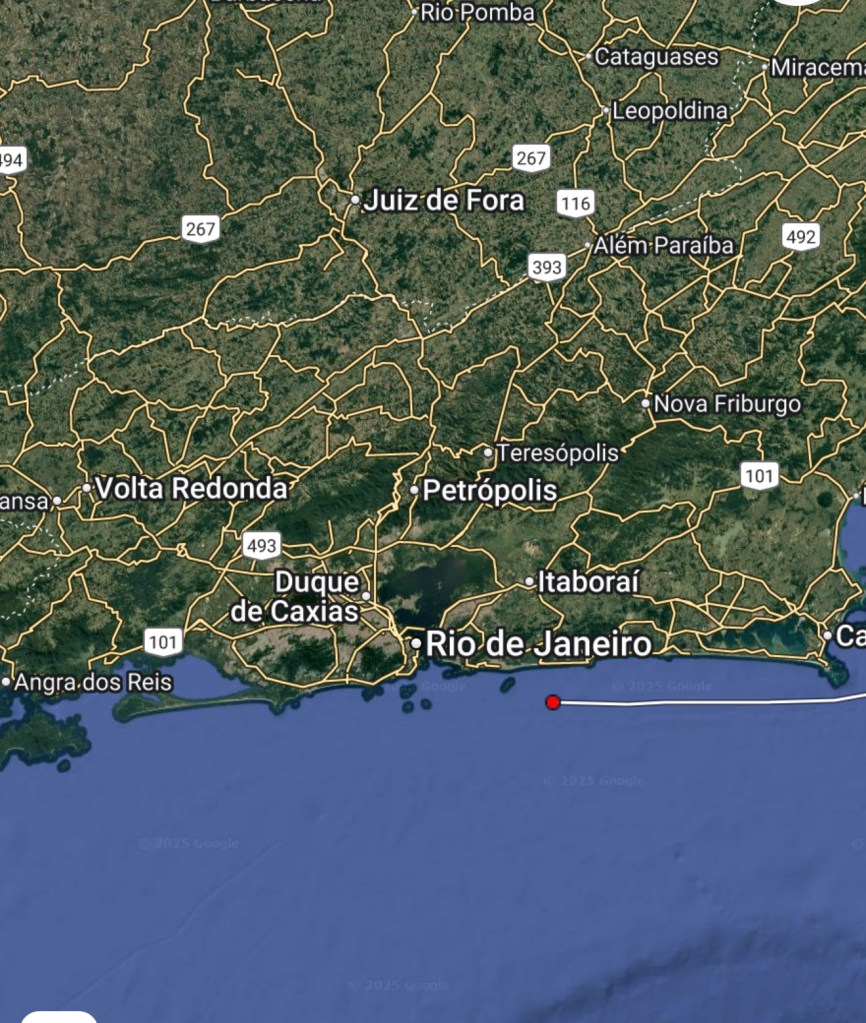
So exciting – we will be in Rio de Janeiro by evening. As usual, it has been a couple of rough, but exciting days (and nights) as me make our approach.

Above: Because we are nearing the end of this leg, fresh vegetables are getting scarce. We have plenty of onions and potatoes, but just a last zucchini. So I took that and added plenty of fake meat, onions and ramen and made a stir fry for dinner.
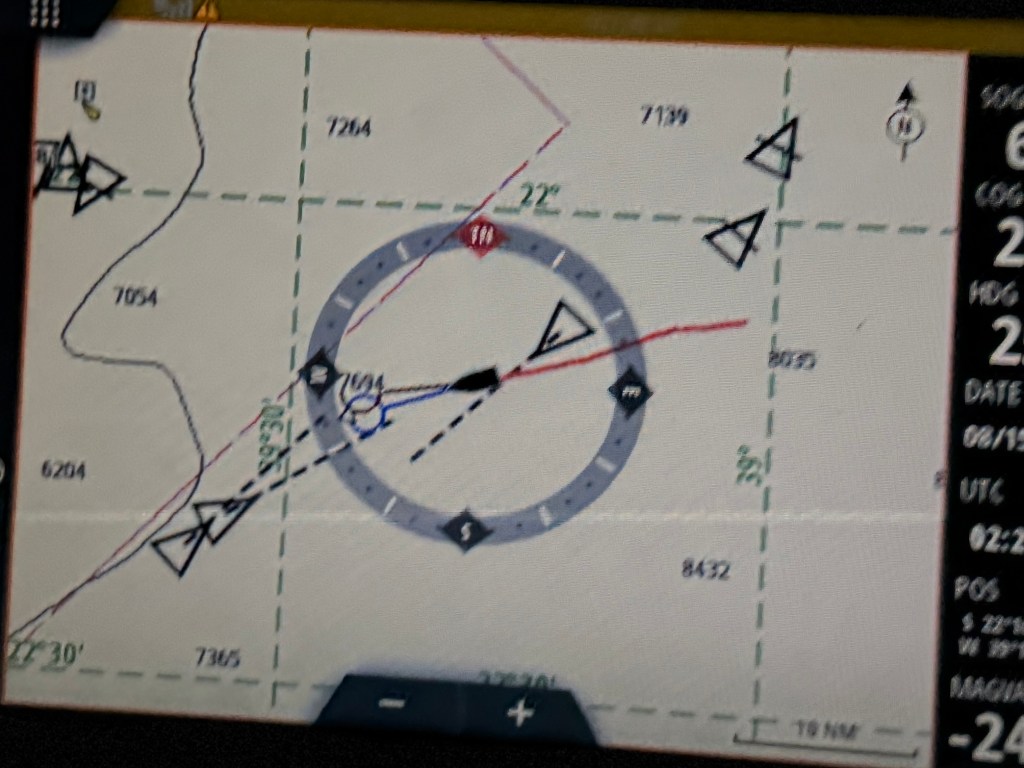
Above: Two nights to go until Rio de Janeiro, and already the shipping traffic is out of this world crazy. You can see us in the middle as we do our best to avoid traffic in both directions. I remembered what my brother Abe always tells me, “An accident at sea can ruin your whole day.” This is happening at 10:00 in the evening…. so no rest for the weary.
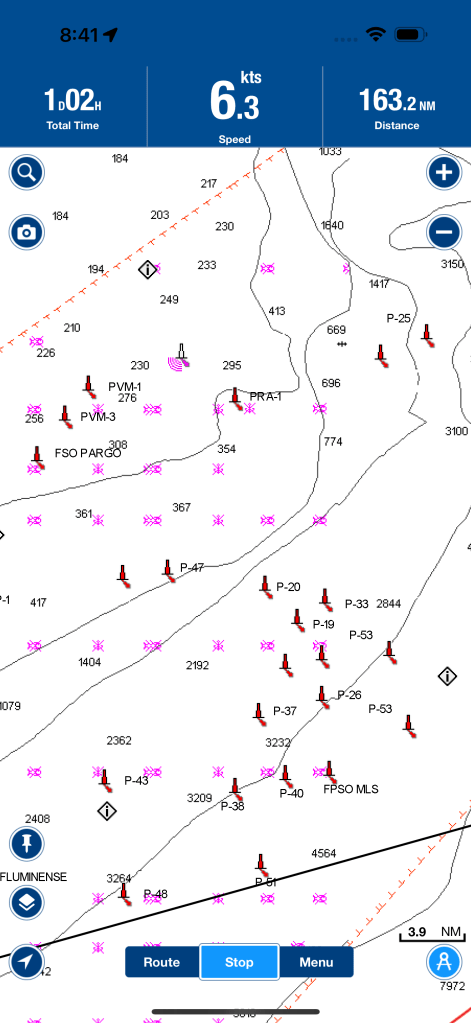
Above: The primary reason for so much sea traffic is that we find ourselves skirting the Lula offshore oil field managed by Petrobas along with the BP Group. This is one of Brazil’s largest oil and gas projects (perfect!!), with estimated reserves of 8.3 billion barrels of oil and a daily production of around 1 million barrels. And they most certainly will not stop production for the likes of us!
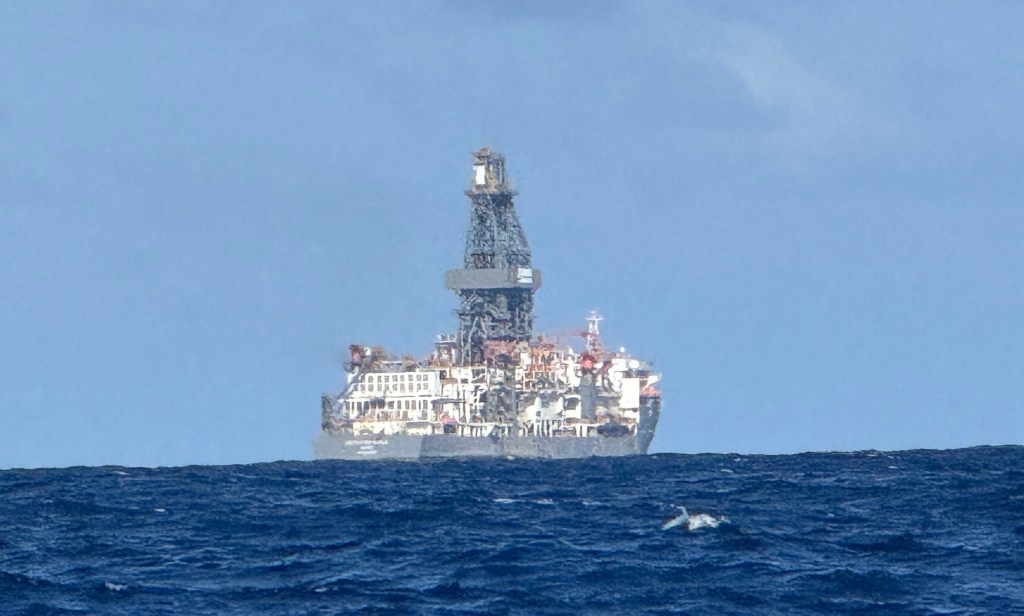
Above: These oil platforms are massive as are the ships that service them.

Above: Randall did his best to navigate Mōli around the oil field, but it was super inconvenient and the weather was not cooperating, so we found ourselves sailing through. At night, the platforms are lit up with lights and flaring gas.
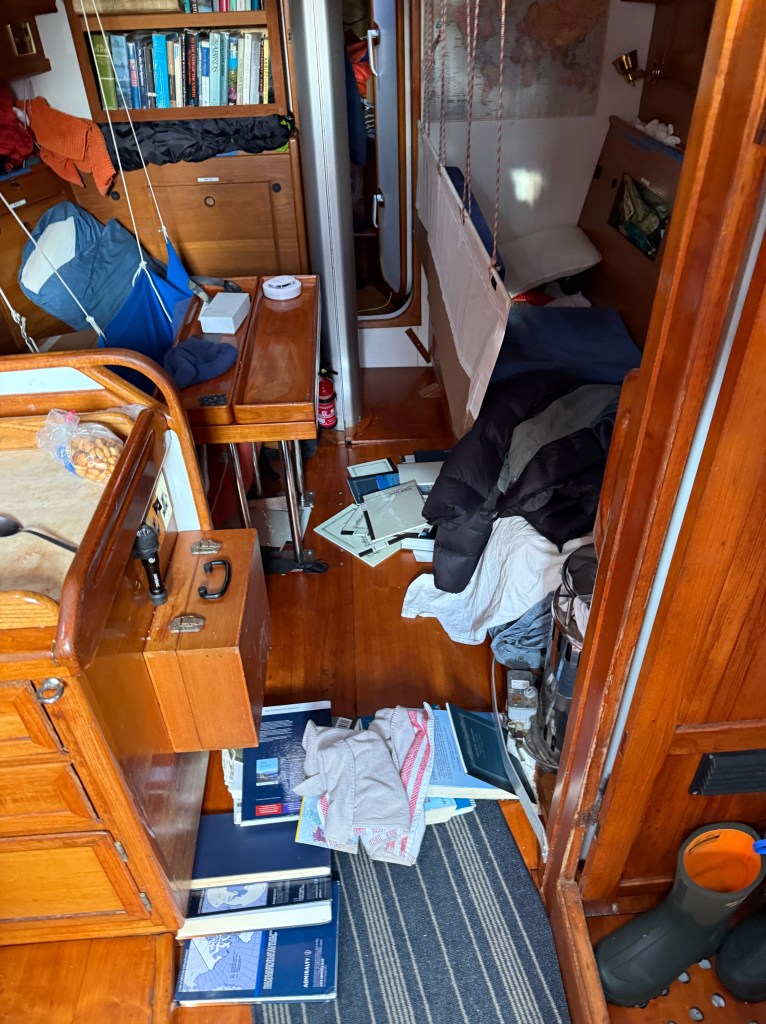
Above: To avoid contact with a (not so) friendly oil rig, we found ourselves coming about to change direction in 18 to 20 knot winds. This caused some intense rocking and rolling which signaled to our bookshelves to empty themselves. We did not clean up until daylight.

Above: The final night was even more busy with ship traffic. If we were not avoiding an oil rig or one of their service vessels, then it was a fishing boat, cargo ship or the cable-laying ship that was towing two barges and had NO maneuverability so they wanted us way away.
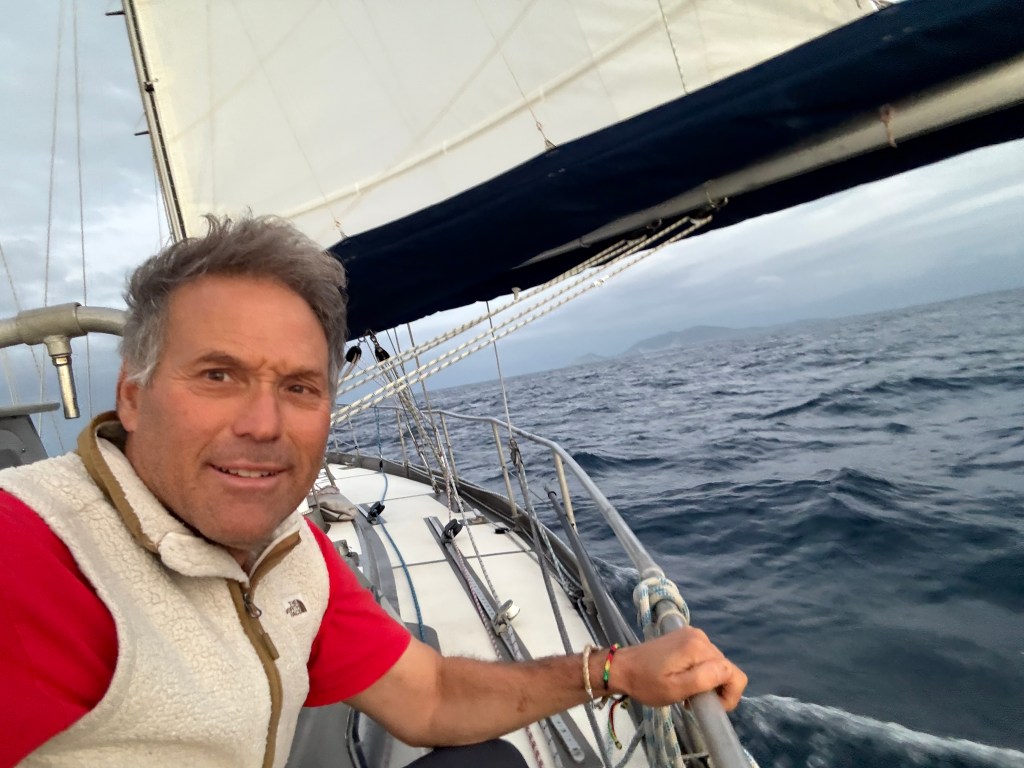
Above: For some reason, Randall is usually the one to spot land first. As he was so exhausted by the incessant marine traffic of the previous evening, he was enjoying his sleep. I was on watch at 0630 when I spotted Cabo Frio (the cold cape off Rio) which signals Brazil and the South American continent.
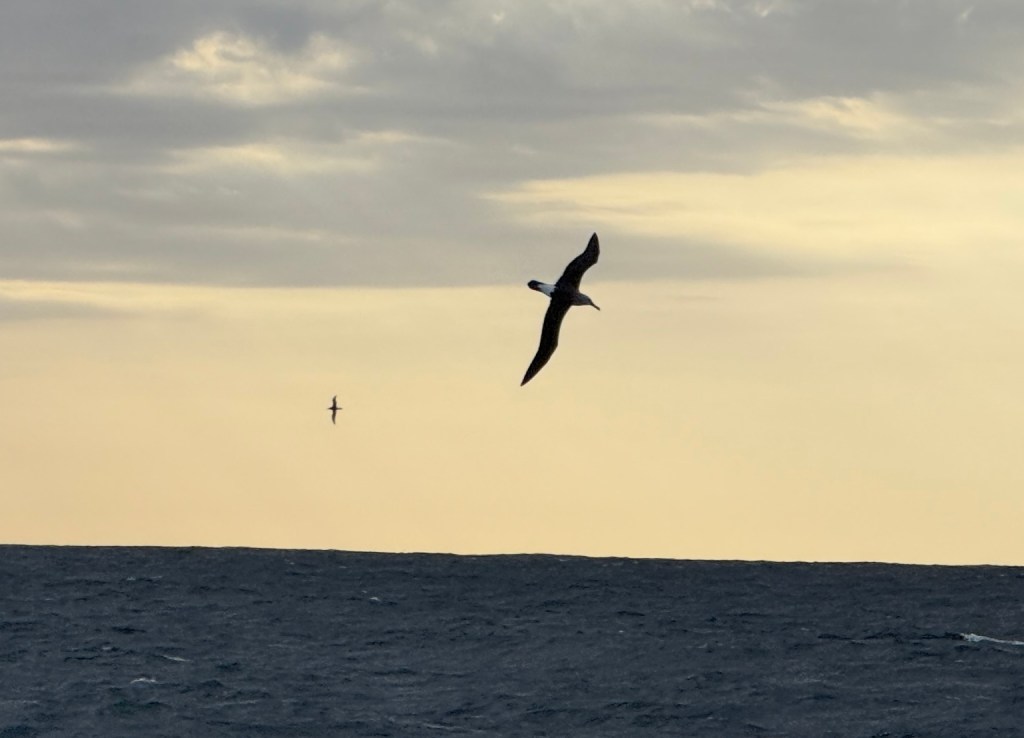
Above: Super excited to see our first Albatross of the trip! Several species of albatross can be found off the coast of Brazil, but the Atlantic Yellow-nosed Albatross is one of the most common. Other species like the Light-mantled Albatross and White-capped Albatross can also be found, though often as seasonal visitors or with fewer confirmed sightings. I am thinking that the picture I took is of a White Capped, as they tend to be more shy, and this one would not come close to us.
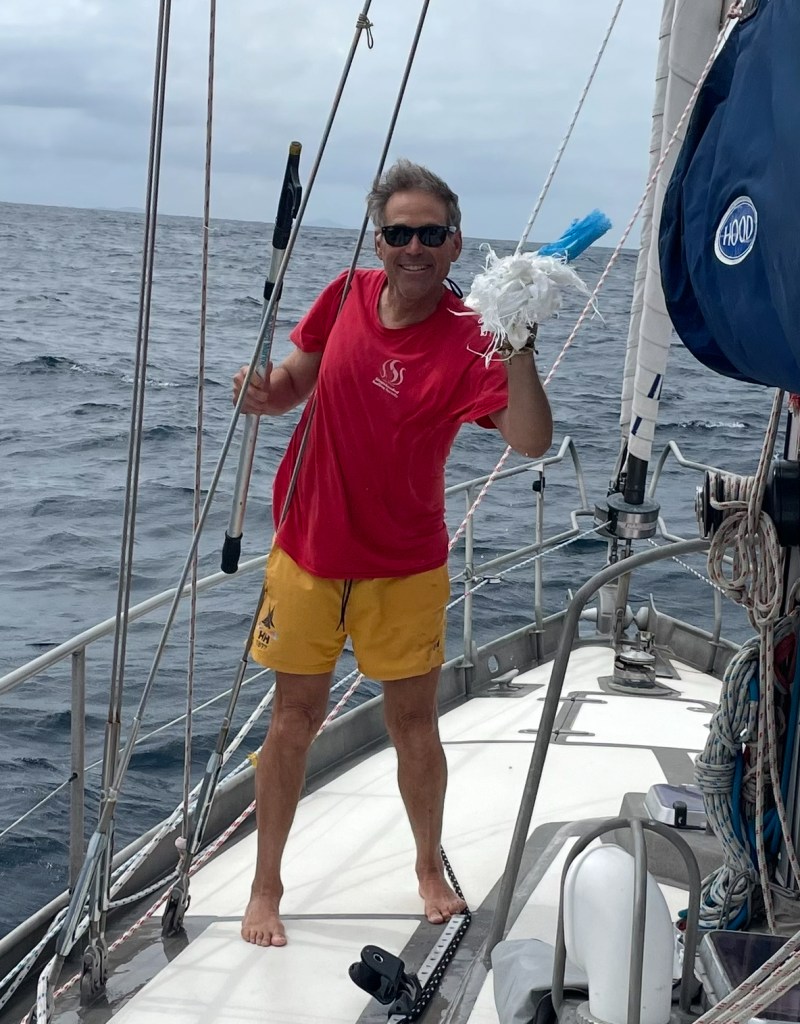
Above: Like we needed more drama??!! I was resting and Randall was on watch as we were approaching Rio de Janeiro (40 miles out?) We both heard the unmistakable sound of something fouling the prop or otherwise causing friction to the shaft. The prop still worked, but torque was significantly reduced. We could see nothing trailing the boat – there were no obvious signs. So Randall engaged the shaft in forward and reverse maybe 10 times and out came the above plastic mass. Order restored, and we continued making our way in.
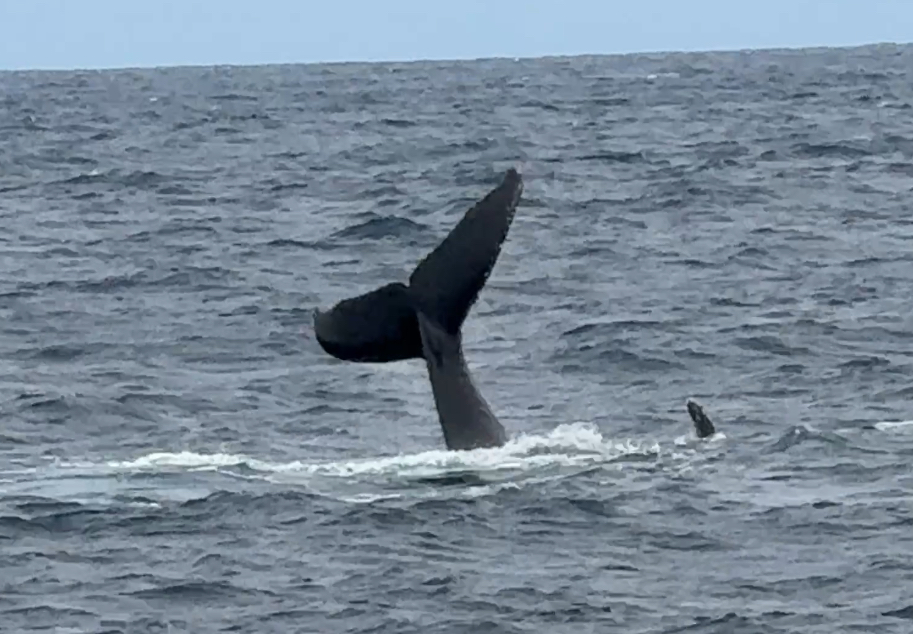
Above and Below: At the same time we were trying to unfoul the prop, Randall first spotted some whale activity – we thought it was the aftermath of a breach. But then we spotted several smaller whales (within several hundred yards of each other), upside down, fluke up smacking the water like it was nobody’s business.
Small whales, specifically humpback whales, migrate to the waters off Rio de Janeiro during the winter months (June to October) for breeding and calving. It is not difficult to see the mothers along with their calves in the coastal areas of Rio de Janeiro. But we were just seeing the juvenals.
Whales flap their flukes for one of three reasons. The first it is a method of communication to other whales. The second is a way to slap/kick feed (smack the small fish towards their mouths). The third could be a form of defensive maneuver to scare off a potential predator. As there were several whales doing this at the same time, I am going to go with the communication theory.
We have less than ten miles to go. See you in Rio de Janeiro.


 Harmon and Randall's Voyage...
Leave a reply to sailpuff Cancel reply